Skinny Letters: A Playful Display Font for Editorial Design
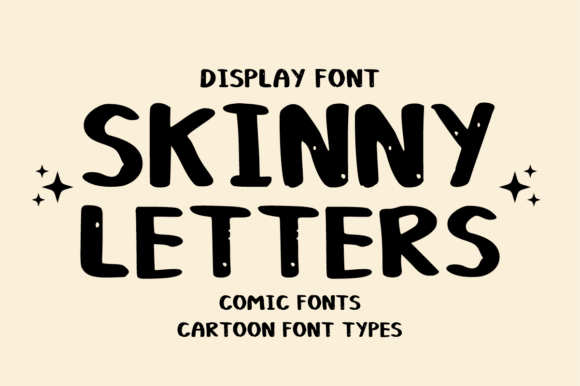
I was redesigning the header of a lifestyle blog when I first came across Skinny Letters. The goal was to create something fresh, modern, and inviting—something that felt alive yet elegant. After trying out a few display fonts, I landed on this one. What stood out immediately was its unique charm. Skinny Letters Comic Display Font is not just another font; it’s a character in itself. With only capital letters and a tall, playful structure, it brought an unexpected sense of whimsy to what could have been a very standard layout.
Skinny Letters Adds a Cartoon Handwritten Touch to Magazine Covers
In editorial design, especially for digital or print magazines, the cover sets the tone. It needs to catch attention while staying true to the publication’s identity. For a recent project—a seasonal issue focused on wellness—I used Skinny Letters as the main headline typeface. Its cartoon handwritten feel gave the cover a light-hearted, creative vibe without losing professionalism. Readers instantly recognized the theme through the visual language of the display font, which helped communicate the magazine’s playful yet purposeful approach to health and lifestyle topics.
The rhythm of the letters felt natural when paired with clean sans serif body copy. Because Skinny Letters is all caps and has a consistent height, it made the text easy to read at a glance, even from a distance. This is essential for covers that need to work both online and in print formats. As a designer, I appreciated how the font’s personality allowed me to highlight key phrases like “Mindful Living” or “Seasonal Routines” without overwhelming the layout.
Skinny Letters Works Well for Recipe Ebook Titles and Chapter Headers
When working on a recipe ebook for a client who wanted a more personal touch, I knew a traditional typeface wouldn’t fit. They were aiming for a cozy, handcrafted aesthetic that spoke to home cooks and food lovers. That’s where Skinny Letters shone. Its tall, stylized forms gave the title pages a sense of energy and warmth. Each chapter opener used the same font, reinforcing a visual thread throughout the book and making it feel cohesive and intentional.
One thing I learned quickly is that this isn’t a font you use everywhere. But for titles and headers, it's perfect. The all-caps nature of Skinny Letters makes it ideal for short bursts of text, and the comic-style charm adds just the right amount of flair. Whether it was “Breakfast Creations” or “Slow Cooker Specials,” the font made each section feel special and engaging. It’s also great for pull quotes, giving them a spotlight in the page layout while maintaining a soft, readable flow.
How Skinny Letters Supports Visual Hierarchy in Digital Publications
Visual hierarchy is crucial in any content layout. When readers open a newsletter or flip through a digital magazine, they’re scanning for clarity and direction. Skinny Letters helps establish that hierarchy by drawing the eye naturally toward headlines and feature sections. Because it’s a display font designed for impact, it doesn’t compete with body text but rather complements it, creating a balanced and harmonious layout.
For example, in a course PDF about branding basics, using Skinny Letters for section headings like “Understanding Typography” or “Font Pairing Strategies” added a level of creativity that matched the content’s educational and artistic goals. The contrast between the bold, cartoony headers and the straightforward sans serif body text helped readers distinguish between instructional content and decorative elements.
Using Skinny Letters in Wedding Guides and Branding Materials
A wedding guide I worked on needed a font that felt both romantic and fun. Skinny Letters provided exactly that. Used sparingly for headings like “Your First Dance” or “Ceremony Traditions,” it brought a sense of joy and spontaneity to the publication. The font’s handwritten quality suggested a personal touch, which aligned perfectly with the emotional tone of the project.
It also performed well in branding materials. From social media graphics to printed save-the-dates, the font became part of the brand’s identity. Its tall, expressive characters made it stand out against photos and backgrounds, ensuring that key messages were always visible. Even in smaller sizes, the lines remained clear enough to maintain legibility—important for platforms like Instagram where text often sits atop images.
Why Skinny Letters Fits Better Than Other Display Fonts for Blog Headers
Many bloggers reach for bold sans serif or script fonts for their headers, but sometimes a different approach is better. Skinny Letters offers a middle ground between whimsical and professional. It’s not too wild, nor too formal. That balance is rare in display fonts, and it’s what makes this one so versatile for blogs targeting creative audiences, such as DIY tutorials, fashion updates, or travel journals.
What I loved most was how it responded to spacing and color adjustments. When set in a soft pastel shade, it looked gentle and welcoming; when darkened, it took on a bolder, more confident presence. This adaptability means that Skinny Letters can evolve with your blog’s seasons or themes, keeping your visuals feeling current without needing a full redesign.
Skinny Letters for Newsletter Graphics and Course PDFs
Newsletters are tricky because they often blend promotional and informative content. In one case, I used Skinny Letters for a monthly wellness newsletter, applying it to call-out boxes and promotional banners. The result was a layout that felt friendly and approachable, encouraging readers to engage with the content. The font didn’t distract but instead created a warm invitation to explore further.
For a course PDF on creative writing, the font worked wonders in setting up motivational headers like “Write Bold, Publish Beautiful.” These weren’t just words—they were entry points into the reader’s imagination. The font’s style subtly encouraged creativity, aligning with the course’s mission. It also functioned well in worksheets and printable templates, where a bit of personality can make the difference between something that feels like a chore and something that feels inspiring.
Readability Considerations for Skinny Letters in Print and Screen Formats
While Skinny Letters is undeniably stylish, it’s important to consider where and how it’s used. As a display font, it’s best suited for short texts and headers. Long paragraphs or captions would be better served with a more conventional, readable typeface. However, in the right context, it performs admirably.
- Screen Reading: On mobile and desktop displays, the font remains crisp and clear at common header sizes. It doesn’t pixelate easily, which is a big plus for digital layouts.
- PDF Exports: The font holds up well in PDFs, especially when used for titles and section breaks. It maintains its charm even after conversion and printing.
- Print Materials: In printables and guides, the cartoony yet structured look of Skinny Letters gives a tactile, almost illustrated feel that many creators find appealing.
- Long-Form Content: Avoid using it for large blocks of text. Instead, reserve it for impactful moments—like chapter openers or highlighted tips—that break up dense reading areas.
Font Pairing Tips When Using Skinny Letters in Editorial Layouts
To get the most out of Skinny Letters, I recommend pairing it with a more neutral serif font or a clean sans serif font for body text. Think of it as the exclamation point in a conversation—bold, expressive, and meant to highlight, not dominate.
For instance, when designing a printable planner, I combined Skinny Letters with Lora, a classic serif. The contrast created a beautiful dynamic: the playful headers drew the eye, while the serious body copy invited focus and productivity. Similarly, in a coaching workbook, pairing it with Montserrat gave the layout a modern edge that resonated with clients looking for motivation and structure.
Commercial Use and Licensing Notes for Skinny Letters
Before finalizing any layout, I always check the licensing details. Skinny Letters is a commercial font, and that’s great news for creators who want to use it in paid projects. Whether you’re building a newsletter graphic, selling a downloadable template, or publishing a paid ebook, knowing the font is legally available for these uses is reassuring.
Also worth noting is the variety of styles and alternates included in some versions. These variations help keep your designs from feeling repetitive. If you're planning to use it across multiple design assets, having access to ligatures or alternate characters can elevate the overall look significantly.
Final Thoughts on Integrating Skinny Letters Into Your Projects
Typography is more than just choosing pretty letters—it’s about crafting an experience. Skinny Letters does more than add visual interest; it contributes to the mood and message of your content. Whether you're designing a printable planner, refining a blog header, or putting together a wedding guide, this font brings a sense of joy and intentionality that other display fonts simply don’t match.
If you're looking to inject a little personality into your next editorial project, give Skinny Letters a try. It’s a modern typeface with a heart of nostalgia, perfect for those who want their content to feel both professional and personable. And remember, thoughtful typography doesn’t just look good—it works hard to support your brand identity and reader engagement every step of the way.