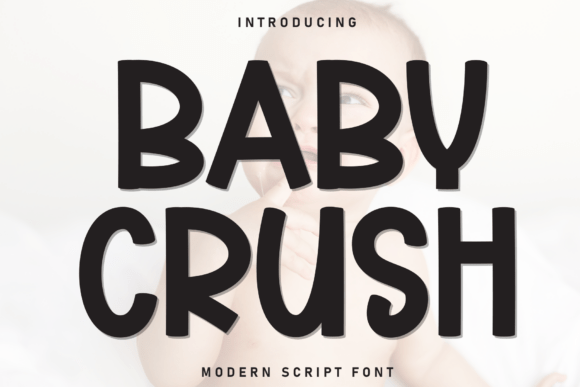
Baby Crush Font: A Playful Touch for Editorial Design
Recently, I was redesigning the header of a lifestyle blog that focuses on modern parenting and minimalist living. The goal was to create something warm yet contemporary — something that felt inviting but not overwhelming. After testing several display fonts, I landed on Baby Crush, a typeface that effortlessly marries modern simplicity with a soft, approachable charm. As I worked through the layout, it became clear how this font could elevate not just the blog’s branding, but also the overall reading experience.
Using Baby Crush in Lifestyle Blog Headers
In editorial design, headers set the tone for everything that follows. They need to be bold enough to catch attention but gentle enough to feel authentic. Baby Crush is a display font that does exactly that. Its clean shapes and soft edges give it a friendly presence without sacrificing professionalism. When I applied it to the blog’s main title, it immediately felt more cohesive and less rigid than previous options. Readers could sense the personality behind the content — relaxed, thoughtful, and modern.
The rhythm of the letterforms helps maintain visual balance even at larger sizes. This is especially important when designing for digital platforms where screen readability can often get lost in overly stylized choices. Baby Crush holds up well across devices, making it a reliable choice for bloggers who want their message to come through clearly from the very first glance.
Baby Crush for Recipe Ebook Titles and Chapter Headings
A few weeks later, I was working on a recipe ebook for a wellness brand. The challenge was to make each section feel welcoming while still being distinct enough to guide the reader through different types of dishes — breakfasts, mains, desserts, etc. Here, Baby Crush shone as a display font that adds character without distracting from the content.
I used it for chapter titles and found that its playful nature gave the ebook a fresh, accessible vibe. It didn’t feel too serious or too casual; instead, it struck the perfect balance between informative and inviting. Pairing it with a clean sans serif body font helped reinforce the structure of the layout, ensuring that the hierarchy remained clear and the text easy to follow.
Why Display Fonts Like Baby Crush Work Well for Ebooks
Display fonts are typically reserved for headlines and short texts, but Baby Crush has the versatility to work in longer editorial sections like introductions or pull quotes. Its well-balanced letterforms prevent eye fatigue, which is essential for readers scrolling through an entire digital book. For those creating commercial fonts or selling digital downloads, this kind of adaptability is invaluable.
Creating Wedding Guide Covers with Baby Crush
Another project brought me into the world of wedding planning — specifically, designing printable guides for couples looking to plan their big day. The client wanted a cover that felt both stylish and comforting, something that could represent the blend of excitement and calm that comes with wedding preparations.
Baby Crush fit the mood perfectly. Its soft curves and open forms exude warmth and elegance, making it ideal for wedding invitations, announcements, and even feature pages within the guide itself. Unlike some script or handwritten fonts, it doesn’t lose clarity at smaller sizes, so it works equally well in headers and supporting text elements like event timelines or vendor lists.
What stood out most was how it supported the brand identity. It wasn’t trying to be anything other than what it was — a modern display font with a touch of whimsy. That authenticity translated directly into the final product, helping the guides feel more personal and trustworthy.
Font Pairing Suggestions for Editorial Projects
When using Baby Crush in your designs, consider pairing it with a more structured typeface for body copy. I recommend a readable serif or a minimalist sans serif to keep the rest of the publication grounded. This contrast is key in editorial design, allowing the display font to highlight important information without overpowering the rest of the layout.
- For blogs: Combine Baby Crush with Lora or Merriweather for a balanced look.
- For newsletters: Use Baby Crush alongside Open Sans or Montserrat to maintain clarity.
- For printables: Try pairing it with Raleway or Nunito for a clean, professional finish.
This flexibility makes it one of the best display fonts for multi-platform publishing — whether you're designing for web, PDF, or print materials.
Baby Crush in Digital Magazine Layouts
Later, I had the opportunity to test Baby Crush in a digital magazine layout for a new wellness publication. The editor was looking for a way to break up the monotony of standard headings and inject a bit of personality into the design. Baby Crush offered just that — a modern display font with enough texture to stand out but not so much that it pulled focus away from the articles themselves.
I applied it to section dividers and article intros, and it added a subtle energy to the page. The soft edges gave the whole layout a calming effect, while the slightly rounded characters introduced a human element that made the content feel more relatable. This is particularly effective in niches like health, beauty, and lifestyle, where the right typography can enhance the reader's emotional connection to the material.
Readability Across Platforms
One concern when using any display font is its performance on different mediums. With Baby Crush, I found that it maintained good readability on both mobile screens and desktop views. The spacing and stroke consistency allowed it to scale well, which is crucial for designers who need to ensure their fonts perform across multiple formats, including long-form content and PDF exports.
It also looked great in print. Whether I was designing a worksheet layout or a printable planner, the font held up beautifully under high-resolution printing. The clean shapes avoided ink bleed issues, and the overall weight distribution ensured that text remained legible even when printed in smaller point sizes.
Building Brand Identity with Baby Crush
Independent creators and small brands often struggle to find a font that reflects their voice accurately. Baby Crush is a premium font that offers just the right amount of personality for those building a brand around warmth, creativity, or community. I tested it in a coaching workbook and a course PDF, and in both cases, it helped establish a consistent and approachable tone.
Its use in logo design and social media graphics also proved beneficial. The font’s unique rhythm made it memorable without being over-the-top. For anyone involved in content branding, finding a typeface that feels genuine and versatile is half the battle — and Baby Crush certainly delivered in this department.
Exploring Alternates and Commercial Licensing
Before finalizing the font for these projects, I checked the included styles and alternates. There were enough variations to allow for creative expression without overwhelming the designer. Ligatures and stylistic sets helped add a polished touch to special sections like pull quotes or featured stories.
For those planning to use it in commercial fonts or paid publications, it’s always wise to confirm the licensing details. I verified that the font supports multilingual characters and includes file formats suitable for web and print — which made it safe to use in a wide range of design assets, from website headers to downloadable worksheets.
Final Applications and Thoughts on Baby Crush
As I wrapped up these projects, I couldn’t help but notice how Baby Crush subtly influenced the user experience. In each case, the font contributed to a more engaging and comfortable layout. Whether it was a newsletter graphic, a digital magazine, or a printable planner, the right choice of display font made all the difference in guiding the reader’s attention and reinforcing the publication’s identity.
If you’re working on a blog redesign, an ebook cover, or a wedding guide, and you’re looking for a font that brings a relaxed yet refined feel to your layouts, Baby Crush is worth considering. It’s not just another display font — it’s a thoughtful addition to any editorial toolkit. And in a market full of aggressive, overused typefaces, that kind of subtlety is rare and refreshing.
So next time you’re choosing a typeface for your content, remember that fonts like Baby Crush offer more than just style — they support storytelling, build trust, and shape the way your audience interacts with your work.