Doodle Giggle Display Font for Playful Editorial Design
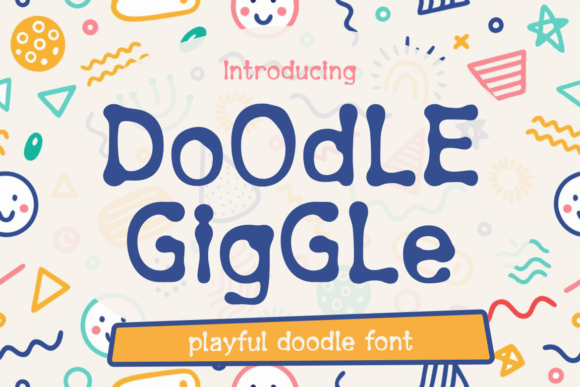
Recently, I was working on the layout of a printable planner for children’s activities. The client wanted something that felt warm, engaging, and just a little bit whimsical to encourage young users to interact with the pages. That’s when I discovered Doodle Giggle, a display font that brings a sense of innocence and charm into any design. As a blogger and editorial designer who often works with digital and print content for creative audiences, I’ve tested many fonts over the years — but Doodle Giggle stands out for its organic feel and visual personality.
Doodle Giggle in Lifestyle Blog Headers and Article Titles
In editorial design, the right typeface can set the tone for an entire publication. When I first installed Doodle Giggle, it immediately caught my eye as a perfect fit for blog headers or article titles where a soft, approachable mood is desired. Its freehand style gives each letter a unique character, making it ideal for lifestyle blogs focused on creativity, parenting, or even educational content. It feels like a handwritten note from a friend — not too formal, but still polished enough to maintain professionalism in the layout.
I used it in a redesign of a wellness blog’s header, replacing a more rigid sans serif with something that felt more inviting. Readers responded positively; the playful spirit of Doodle Giggle added warmth without overwhelming the minimalist aesthetic of the site. It also worked well in article titles where I needed to break up long sections of text with a touch of visual interest.
Using Doodle Giggle for Recipe Ebook Titles and Branding
Another project involved designing a series of recipe ebooks aimed at families and beginner cooks. The goal was to create a consistent identity across all titles while keeping the brand voice friendly and encouraging. Doodle Giggle became the cornerstone of the title design due to its charming, almost childlike appearance.
The rhythm of the letters in this display font helps draw attention without being distracting. In one case, I paired it with a clean sans serif body font to ensure readability while letting the title pop. This combination allowed me to maintain a cohesive look across the series, reinforcing the brand identity with every new release. For those considering Doodle Giggle as part of their ebook branding, it’s important to check what styles and alternates are included — some versions offer ligatures or stylized characters that can elevate your design further.
Doodle Giggle for Wedding Guide Covers and Pull Quotes
Doodle Giggle isn’t limited to children’s themes. I recently applied it to a digital wedding guide cover and found it surprisingly versatile. The font’s hand-drawn quality gave the cover a personal, intimate feel that resonated with the target audience. It also worked beautifully in pull quotes throughout the guide, where its expressive curves helped highlight key messages without clashing with the rest of the typography.
One thing I noticed is that because it’s a display font, it performs best in larger sizes. For pull quotes, I used it at 48pt with generous leading to ensure legibility. While it wouldn’t be suitable for dense paragraphs or small captions, it excels in decorative accents and short bursts of text that need to stand out.
Doodle Giggle in Coaching Workbooks and Chapter Openers
For an upcoming coaching workbook, I wanted a font that could evoke both playfulness and intentionality. The chapters were meant to be lighthearted yet impactful, so I turned to Doodle Giggle for chapter openers. Each opener featured the chapter title in this creative font, followed by a short quote or mantra in a complementary serif font. The contrast between the two helped establish a clear visual hierarchy, guiding readers through the structure of the book effortlessly.
What I appreciated most was how it supported the overall mood of the workbook. It wasn’t just decorative — it contributed to the reader experience by reinforcing the theme of growth, joy, and mindfulness. Just remember: when using Doodle Giggle in longer-form projects, always test it in different weights and file formats if you plan to export to PDF or use it in print materials.
Doodle Giggle for Digital Magazine Layouts and Newsletter Graphics
As I began experimenting with Doodle Giggle in a digital magazine layout, I quickly realized its potential in newsletter graphics and feature headings. A recent issue had a focus on childhood development and early education, which aligned perfectly with the font’s playful nature. I used it for section headings and graphic elements like badges or callout boxes, where it added a layer of personality without compromising clarity.
Readability on screens is crucial, especially for newsletters and magazines viewed on mobile devices. Fortunately, Doodle Giggle holds up well at screen sizes when used sparingly. I made sure to pair it with a solid sans serif for body copy and navigation menus to keep the design balanced. If you're planning to integrate this premium font into your web design or social media graphics, consider its role in the overall hierarchy — it shines brightest when reserved for headlines and decorative elements.
Font Pairing Tips for Doodle Giggle in Editorial Projects
While Doodle Giggle has a distinct character, it’s essential to pair it carefully in editorial layouts. My go-to combinations have been with readable serif fonts for body text and clean sans serif fonts for subheadings or captions. This creates a harmonious balance between expression and functionality, allowing the playful typeface to enhance the mood without overshadowing the message.
- Display Font + Serif Body Copy: Great for magazines, workbooks, and guides where a mix of fun and formality is needed.
- Handwritten Font + Sans Serif Navigation: Ideal for websites, newsletters, and digital publications where consistency matters.
- Creative Font + Monochrome Backgrounds: Helps Doodle Giggle remain legible while amplifying its emotional appeal.
When Not to Use Doodle Giggle in Your Design
Though Doodle Giggle adds a delightful touch, it’s not the best choice for every situation. I learned the hard way that using it for body copy in a printed magazine led to a drop in readability. Its expressive strokes and irregular shapes aren’t suited for long passages of text. Similarly, small captions or footnotes in a worksheet layout lost clarity when using this display font.
If you’re working on a formal report or a technical manual, skip Doodle Giggle altogether. But for editorial design projects that benefit from a warm, engaging tone, it’s a fantastic asset. Always verify the font’s licensing before using it in commercial projects like paid newsletters, digital downloads, or branded templates to avoid legal issues down the line.
Why Doodle Giggle Works for Printables and Content Branding
Printables and course PDFs often rely on strong visual cues to make information memorable. Doodle Giggle fits this need perfectly. In a recent printable planner project, I used it for section headers and motivational prompts. The result was a layout that felt joyful and inspiring — exactly what the audience needed.
Its versatility makes it a valuable addition to your design toolkit. Whether you're crafting a digital magazine, a wedding guide, or a recipe ebook, Doodle Giggle can help you build a stronger connection with your readers. And since it supports multilingual characters (depending on the version), it's a great option for international content creators looking to add a personal touch to their designs.
Remember, though — always test Doodle Giggle in your specific layout context. What looks great in a blog header may not translate well to a caption in a worksheet. But when used thoughtfully, this handwritten font becomes a subtle yet powerful tool for shaping your publication’s identity and engaging your audience emotionally.
Doodle Giggle in Logo Design and Social Media Graphics
Logo design is another area where Doodle Giggle has proven useful. A local children’s art studio adopted it for their logo, and the response from parents and kids alike was overwhelmingly positive. It didn’t scream “professional,” but it did whisper “fun,” which is exactly the kind of brand identity they wanted to communicate.
In social media graphics, I’ve used it for event announcements and promotional posts where a casual, approachable vibe was necessary. The font’s character variations and alternates allowed for some flexibility in spacing and form, helping each post feel unique while staying on-brand. Just keep in mind that for platforms like Instagram or Pinterest, where image size varies, testing the font at different resolutions is key to ensuring it remains legible and effective.
Doodle Giggle is more than just a font — it’s a bridge between design and emotion. Whether you’re building a lifestyle blog, creating a digital magazine, or crafting a printable planner, this display font can help you tell your story with charm and clarity.