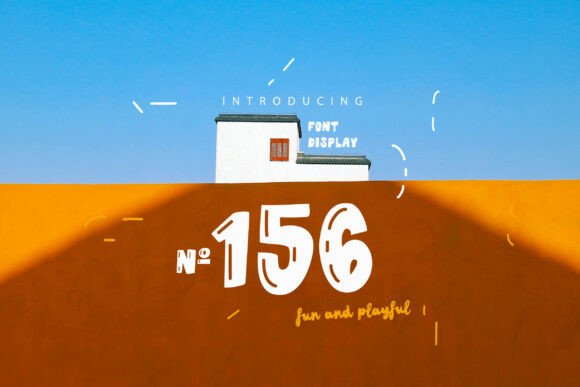
No. 156 Display Font for Editorial Design
As a content creator or editorial designer, you understand that the right typeface can elevate your publication from ordinary to unforgettable. No. 156, a bold and bouncy display font, brings a unique visual energy to any layout with its hand-drawn charm and friendly personality. This font isn’t just another decorative Fonts option — it’s a design asset that blends fun with functionality, making it ideal for creating engaging covers, headers, and quote graphics across blogs, magazines, ebooks, newsletters, and more.
No. 156 for Magazine Covers and Bold Headlines
Magazine covers are often the first point of contact between your brand and potential readers. With No. 156, you can craft headlines that immediately draw attention without overwhelming the rest of the design. The quirky letterforms and playful bounce give your cover a sense of warmth and approachability while maintaining a professional edge. Whether you're designing a fashion magazine, a wellness publication, or a travel journal, No. 156 helps set the tone with its happy vibes and distinctive character.
This Display font works especially well in high-contrast scenarios, such as black text on white backgrounds or bright colors against dark bases. Its strong visual presence ensures that your title is not only legible but also memorable, which is crucial for standing out in crowded newsstands or online feeds.
No. 156 in Blog Headers and Article Layouts
Blogs thrive on visual variety and clear hierarchy. No. 156 offers an excellent solution for blog headers and subheadings where you want to create a warm, inviting atmosphere. Unlike generic sans serif or script fonts, No. 156's hand-drawn shapes add a personal touch, making your content feel more human and less corporate. It’s particularly effective in lifestyle, creative, or community-driven blogs where the reader experience is key.
Use this Fonts choice sparingly to avoid visual fatigue. A great strategy is to reserve it for major headings and pull quotes, then pair it with a clean serif or sans serif font for body copy. This combination maintains readability while allowing No. 156 to shine where it matters most — at the top of each article or in highlighted sections.
No. 156 for Quote Graphics and Social Media Posts
In the world of digital publishing, quote graphics are essential for sharing insights on platforms like Instagram, Pinterest, and Twitter. No. 156 is perfect for these kinds of visuals due to its expressive curves and attention-grabbing style. It turns simple phrases into eye-catching assets that reflect your brand's voice and aesthetic.
When crafting social media templates or lead magnets, consider how the font's bouncy nature can make motivational quotes, testimonials, or client success stories stand out. Just be sure to adjust spacing and size for optimal legibility on smaller screens. The hand-drawn appeal of No. 156 adds authenticity and charm, encouraging shares and engagement.
No. 156 for Ebook Titles and Chapter Openers
Ebook design requires careful consideration of both aesthetics and accessibility. No. 156 is a standout choice for ebook titles and chapter openers, especially when you want to infuse personality into your publication. Its bold weight and whimsical lettering help signal transitions between sections and keep readers oriented through the narrative flow.
For instance, a recipe ebook benefits from using No. 156 for section headers like “Breakfast Bites” or “Dessert Delights,” adding a cheerful and appetizing tone. Similarly, in a wedding guide or coaching workbook, the font can introduce new topics in a way that feels both professional and personable. Always ensure that the font complements the overall theme and doesn't clash with other typographic elements.
No. 156 in Newsletter Templates and Lead Magnets
Newsletters are a powerful tool for content creators, and their design must balance branding with usability. No. 156 can serve as the signature element in your newsletter header or in promotional banners for lead magnets like printable guides or worksheets. The font’s friendliness aligns well with brands that aim to build trust and rapport with their audience.
Because No. 156 is a Display font, it should be used strategically in short bursts — think subject lines, call-to-action buttons, or feature highlights. For the body text, opt for a complementary Fonts like a modern sans serif to maintain clarity and ease of reading. This thoughtful pairing enhances user experience and keeps your message front and center.
No. 156 for Wedding Guides and Event Branding
Wedding planners, event designers, and stationery creators often look for Fonts that evoke joy and celebration. No. 156 delivers exactly that with its lively and charming letterforms. From printable planners to digital invitations, this display font adds a touch of elegance and excitement to every piece of communication.
Imagine using No. 156 to design a section titled “Your Big Day: Tips & Traditions” in a digital wedding guide. The font instantly conveys a sense of occasion and care, helping readers connect emotionally with the content. For event branding, it can become a recurring motif in logos, schedules, and signage, reinforcing a consistent and upbeat identity.
No. 156 for Brand Identity and Content Packaging
Creating a cohesive brand identity involves selecting typography that reflects your values and mission. No. 156 is an excellent fit for brands that prioritize creativity, positivity, and individuality. Its hand-drawn origin gives it a unique fingerprint, helping your publications stand apart from competitors who rely on stock or overly common Fonts.
Whether you’re launching a new course, selling printables, or packaging digital products, the use of No. 156 can unify your materials under a single, recognizable visual language. It’s particularly useful in branding for creative businesses, lifestyle coaches, and indie publishers who want to express a vibrant yet professional image.
No. 156 in Digital Magazines and Print Publications
Digital magazines and print publications demand fonts that work seamlessly across formats. No. 156 shines in both environments thanks to its bold contrast and clear structure. In print, the font’s weight and texture add depth; on screen, its clean lines prevent pixelation and maintain legibility even at smaller sizes.
For digital magazines targeting younger audiences or niche communities, No. 156 can bring a fresh and energetic vibe to layouts. Use it for issue titles, section headers, or featured article titles to establish a dynamic mood. When printing, always test the font at different resolutions to confirm its performance in physical form.
No. 156 for Creative Workbooks and Printable Resources
Workbooks, worksheets, and printable resources benefit from typography that’s both readable and inspiring. No. 156 fits the bill perfectly for section titles, prompts, or interactive elements in these materials. Its quirky style encourages creativity, making it especially suitable for art journals, writing exercises, or educational downloads.
Consider using No. 156 in a coaching workbook for headings like “Daily Reflections” or “Growth Prompts.” The font adds a gentle nudge toward engagement without distracting from the practical content. As long as the body text remains in a simpler, more neutral Fonts, your designs will remain functional and visually balanced.
No. 156 for Visual Hierarchy and Reader Attention
One of the greatest strengths of No. 156 lies in its ability to command attention without being overpowering. In editorial design, this makes it a valuable tool for visual hierarchy. Readers naturally gravitate toward bold, expressive text, so placing No. 156 in key areas — such as article intros or infographic captions — helps direct their focus.
However, it’s important to remember that No. 156 is best suited for short-form typography. Overusing it in lengthy paragraphs or dense blocks of text can reduce readability and dilute its impact. Instead, let it act as a spotlight on the most important parts of your content, ensuring that every word it touches feels intentional and expressive.
No. 156 in Logo Design and Brand Consistency
Logo design plays a critical role in establishing brand recognition. No. 156 can be a compelling choice for logo typography if your brand voice is warm, bold, and a bit unconventional. Its hand-drawn nature adds a human element that resonates with audiences looking for authenticity.
If you choose to incorporate No. 156 into your logo, ensure it’s supported by secondary Fonts that provide balance and clarity. A strong brand system includes a primary display font paired with one or two supporting styles for menus, footers, or product listings. This approach keeps your brand identity consistent while allowing for typographic variation where needed.
No. 156 for Modern Typography in Course Creators’ Materials
Course creators need typography that speaks to both professionalism and approachability. No. 156 offers a modern take on display Fonts that feels welcoming and full of life. It can be used effectively in course landing pages, module titles, or promotional banners for skill-based learning platforms.
For example, a photography course might use No. 156 for a heading like “Capture Your Vision: Mastering Composition.” The font adds a layer of enthusiasm and creativity that aligns with the subject matter. In e-learning environments, visual interest is vital for keeping learners engaged, and No. 156 contributes to that goal with its unique character and emotional appeal.
No. 156 in Premium Font Libraries and Commercial Projects
If you're working within a premium font library or building commercial design assets, No. 156 could be a valuable addition to your toolkit. As a Display font, it performs best in editorial contexts rather than UI-heavy web design. However, it’s fully appropriate for use in paid newsletters, client publications, and branded printables.
Before finalizing a project, check the included styles and alternates to see how much flexibility you have. Many display Fonts come with multiple weights or ligatures to enhance design possibilities. If you plan to use No. 156 in commercial applications, confirm that the license allows for use in digital downloads, print, and distribution to clients or subscribers.
No. 156 for Audience Engagement and Emotional Tone
Typography influences how readers perceive and interact with your content. No. 156 has a natural ability to convey optimism and enthusiasm, making it ideal for content that aims to inspire, educate, or entertain. It’s especially effective in niches like lifestyle, wellness, food, and creative arts, where tone is as important as information.
Using No. 156 in the right places can subtly shift the emotional tone of your publication. Think about how it could transform a dry section of a productivity guide into something more inviting by applying it to subheadings like “Small Changes, Big Results.” The font invites readers to linger, explore, and engage with your message on a deeper level.
No. 156 for Multilingual and Global Audiences
While many display Fonts are limited in language support, No. 156 likely includes a broad range of characters and glyphs to accommodate international projects. If you're designing for global audiences — whether in newsletters, magazines, or digital courses — verify that the font supports the languages you'll be using.
This kind of detail matters in editorial design. Even the most beautiful Fonts can fall flat if they don’t support the necessary characters. Ensuring multilingual compatibility means your publication can reach wider and more diverse audiences without compromising on style or quality.
No. 156 in Combination with Other Fonts
Font pairing is an essential part of good editorial design. While No. 156 is a statement Display font, it pairs beautifully with more subdued typefaces for body text or captions. Consider combining it with a classic serif font for a timeless look or a minimalist sans serif for a clean, modern feel.
A few tried-and-true combinations include:
- No. 156 + Lora (serif): Elegant and expressive, ideal for literary-style blogs or print magazines.
- No. 156 + Roboto (sans serif): Friendly and futuristic, great for tech-related content or modern newsletters.
- No. 156 + Playfair Display (serif): Luxurious and lively, a match made in editorial heaven for wedding guides or luxury brand content.
These pairings allow No. 156 to do what it does best — grab attention and add personality — while the supporting Fonts handle the heavy lifting of readability and structure.
No. 156 for Independent Publishers and Content Brands
Independent publishers and content brands often rely on typography to communicate their unique voice. No. 156 is a versatile Fonts choice for those aiming to blend creativity with clarity. It’s particularly well-suited for boutique magazines, zines, and self-published books that want to leave a lasting impression.
Use No. 156 in conjunction with subtle textures, soft color palettes, and ample white space to create a harmonious and reader-friendly layout. The font’s bouncy nature can also help break up monotony in longer reads, guiding the reader through complex or dense content with visual rhythm and interest.
No. 156 for Social Media Graphics and Email Campaigns
Social media graphics and email campaigns require fonts that are both eye-catching and easy to read at a glance. No. 156 meets these demands with its bold contrast and expressive forms. It works especially well in animated posts, hero banners, and promotional emails where a strong visual hook is essential.
When designing for mobile-first audiences, ensure that No. 156 scales well on various devices. Avoid using small sizes or low-resolution images that might distort the font’s delicate details. The right application can turn a simple graphic into a shareable masterpiece that amplifies your brand’s visibility and credibility.
No. 156 for Creating Unique Publication Assets
Publication assets like table of contents, infographics, and sidebars benefit from a font that stands out. No. 156 is a great option for these design elements, especially when used for labels, icons, or accent text. It brings a touch of flair without disrupting the flow of information.
For example, in a fitness magazine, you might use No. 156 to label a section titled “Burnout Breakthroughs.” The font’s quirkiness draws the eye while still being clear enough for quick scanning. This makes it a smart choice for designers who want to inject character into structured layouts without sacrificing usability.
No. 156 for Digital and Print Publishing Platforms
Whether you're publishing on WordPress, Squarespace, Canva, or Adobe InDesign, No. 156 adapts well to different platforms and file types. Its boldness ensures it renders clearly in PDF exports, while its hand-drawn style brings warmth to digital previews and web views.
Test the font across all intended mediums before finalizing your layout. Some display Fonts may lose clarity in certain export settings, but No. 156 seems built with cross-platform consistency in mind. That means fewer adjustments and more time spent refining your message and layout.
No. 156 in Niche Markets and Specialized Content
Niche markets, such as artisanal goods, local events, or indie book shops, often seek typography that reflects their unique offerings. No. 156 is a great fit for these spaces, where a little personality goes a long way. It can help differentiate your publication from mass-produced content and speak directly to your target audience’s tastes.
Use No. 156 to highlight special features, seasonal promotions, or curated content sections. Its quirky charm adds a sense of curation and intentionality that aligns with niche branding. When combined with handcrafted illustrations or bespoke layouts, the font becomes a seamless extension of your creative vision.
No. 156 for Building Trust Through Typography
Readers form opinions quickly, and typography plays a big role in shaping their perception. No. 156 strikes a balance between fun and reliability — it feels creative but never unprofessional. This duality is rare in Fonts, making it a smart choice for editorial designers who want to build trust while keeping things lively.
By using No. 156 in strategic spots — like a welcome message on your blog or a featured testimonial in a brochure — you create a sense of connection with your audience. The font’s hand-drawn nature suggests authenticity, which is invaluable in today’s content-saturated world.
No. 156 for Enhancing Visual Storytelling
Visual storytelling is all about emotion and rhythm. No. 156 supports this by offering a typeface that feels alive and expressive. In photo essays, illustrated guides, or story-driven newsletters, the font can help emphasize key moments and add a sense of movement to static layouts.
Think of how it might appear in a travel blog’s featured post titled “Journey Through Joyful Streets.” The font mirrors the journey itself — bold, bouncy, and brimming with character. These subtle design choices help readers feel immersed in the content and increase the likelihood they’ll return for more.
No. 156 for Long-Form vs. Short-Form Typography
Though No. 156 is a bold Display font, it’s not recommended for long-form reading. Its hand-drawn quirks and exaggerated strokes can cause eye strain if overused in extended passages. Instead, save it for short-form Fonts needs like headlines, chapter titles, and pull quotes.
Longer text should be handled by more neutral and highly readable typefaces. But where brevity is key, No. 156 excels. Use it to frame key takeaways, highlight case studies, or introduce new segments in your publications. This focused usage maximizes its impact and preserves the integrity of your design.
No. 156 for Editors Looking to Add a Personal Touch
Editors who value a personal connection with their audience will find No. 156 to be an excellent choice. The font’s friendly and expressive nature lends itself well to editorial content that wants to feel intimate and inviting. It works especially well in personal blogs, memoir-style articles, or community-focused newsletters.
Use No. 156 to introduce guest writers, feature reader submissions, or highlight behind-the-scenes content. These applications reinforce the idea that your publication is crafted with care and thoughtfulness — qualities that resonate deeply in the editorial world.
No. 156 for Print and Digital Marketing Collateral
Marketing collateral — from flyers to email campaigns — needs to catch attention fast. No. 156 provides the perfect visual punch for headlines, taglines, and key messages. Its boldness ensures it won’t get lost in cluttered designs, and its hand-drawn feel adds a layer of uniqueness that makes your brand more memorable.
Use it in sales announcements, launch teasers, or promotional mailers for a font that feels both professional and personable. When combined with imagery and minimal text, No. 156 can act as the emotional anchor of your marketing efforts, guiding your audience toward action.
No. 156 for Designers Who Want to Stand Out
In a sea of standard Fonts, it’s easy to lose your creative edge. No. 156 helps designers reclaim that edge by offering a typeface that’s both original and versatile. It’s not just a font — it’s a design decision that reflects confidence, creativity, and a deep understanding of reader experience.
Integrate No. 156 into your next project and watch how it transforms your content. Whether you're designing a monthly planner, a brand guide, or a digital magazine, this Display font brings a spark that elevates your work and strengthens your brand identity.