Neon Line: A Display Font for Modern Editorial Design
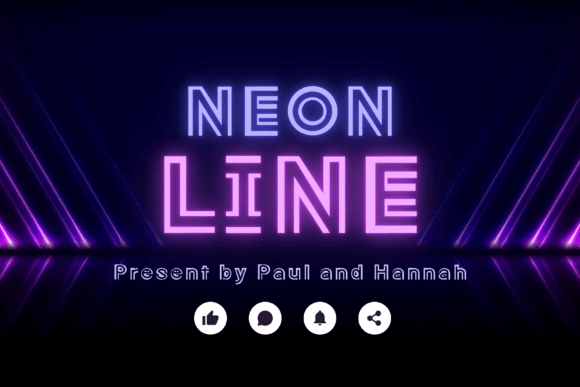
There’s something thrilling about the moment when you finally land on a font that feels just right. I was recently redesigning the cover of a digital recipe ebook and had been sifting through dozens of display fonts, each promising boldness and modernity. When I stumbled upon Neon Line, it felt like the missing piece in my design puzzle. This bold geometric display font brought a fresh energy to the layout — not too flashy, but undeniably stylish with its layered lines and crisp outlines.
Neon Line for Blog Headers and Digital Branding
I first used Neon Line in the header of a lifestyle blog I’m working on. The goal was to create a visual identity that stood out without overwhelming the reader. As a display font, Neon Line excels at drawing attention while maintaining a sense of elegance. Its structured geometry gives it a contemporary feel, perfect for blogs or websites aiming to project a modern aesthetic.
What really impressed me was how well it paired with softer sans-serif fonts for body copy. While Neon Line commands the spotlight, it doesn’t demand the entire stage. It allows other elements to breathe, making it an excellent choice for editorial designers who want to build a cohesive typographic system. Whether it's a blog post title, a newsletter graphic, or a section heading in a course PDF, this font adds a touch of confidence and clarity.
Neon Line in Recipe Ebooks and Printable Guides
When designing content for printables and ebooks, readability is key — especially when the text will be viewed across different devices. I tested Neon Line in a few sample layouts for a new collection of seasonal recipes. The font’s clean lines and open structure made it surprisingly legible even at smaller sizes, which is a rarity among many display fonts. That flexibility allowed me to use it not only for chapter titles but also in decorative accents and pull quotes throughout the book.
In one layout, I applied Neon Line to the main dish name while keeping ingredient lists and instructions in a more subdued serif typeface. The contrast created a natural visual hierarchy that guided the reader effortlessly from headline to detail. For printable guides, this kind of balance is essential — it keeps the design engaging without sacrificing usability.
How Neon Line Elevates Wedding Guide Covers
Wedding guides are all about capturing a mood — romantic, elegant, and aspirational. I tried using Neon Line on the cover of a digital wedding planning guide and found it added a layer of sophistication that matched the theme perfectly. The layered lines gave it depth, while the geometric precision suggested organization and clarity — both vital for content focused on planning and preparation.
The best part? It didn’t clash with the soft pastel color palette I was using. In fact, the boldness of Neon Line helped anchor the overall look and prevented the design from feeling too floaty or insubstantial. It’s rare to find a display font that works so well in a high-end editorial context, but Neon Line delivered exactly what I needed.
Neon Line as a Bold Choice for Magazine Layouts
Magazines often rely on strong typography to make their headlines pop. In a recent test layout for a digital magazine issue, I used Neon Line for feature story titles and found that it created a sense of urgency and importance. Its modern outlines and geometric form made it ideal for both print and screen reading, ensuring that the font remained sharp and impactful no matter the format.
One thing I appreciated was how easy it was to adjust the spacing and leading to suit different layouts. Because Neon Line is designed with clear rhythm and structure, it adapts well to various line heights and character widths. This adaptability makes it a reliable asset in any editorial toolkit.
Using Neon Line in Newsletter Graphics and Chapter Openers
Email newsletters are a great place to experiment with display fonts like Neon Line. I incorporated it into a monthly wellness newsletter by using it for the main headline and a few call-to-action buttons. The result was a clean yet vibrant design that caught readers’ eyes without being over the top.
I also tested it in chapter openers for a self-help workbook. Here, Neon Line worked beautifully as a stylistic accent, helping to break up long sections of text and signal transitions between ideas. It’s important to note that while it’s visually striking, it should be reserved for short bursts of text — not long paragraphs. But for headers, subtitles, and pull quotes, it’s a winner.
Neon Line for Course PDFs and Content Branding
Course creators and digital product designers know how crucial typography is for branding. I used Neon Line in a course PDF about creative writing and found it lent a professional yet approachable tone. The font supported the course’s focus on innovation and modern thinking, aligning perfectly with the message.
For content branding, Neon Line offers a distinct personality that can become part of your visual signature. If you're looking to establish a consistent look across your digital assets — from social media posts to website headers — this display font can help you stand out in a crowded space. Just remember to pair it carefully with secondary fonts that complement its boldness and maintain legibility in supporting text.
Font Pairing Tips for Editors Using Neon Line
One of the most thoughtful aspects of integrating Neon Line into your design is choosing the right companion fonts. Since it’s a bold display font, I recommend pairing it with something more neutral and readable, like a clean sans serif or a traditional serif. For example, in a digital magazine layout, I combined it with Lora for body text and Montserrat for captions. The result was a balanced composition that felt both modern and trustworthy.
Always consider the platform where your content will live. On mobile screens, Neon Line remains sharp and legible if rendered correctly, but it’s wise to limit its use to larger headings. For PDF exports and print materials, the font holds up exceptionally well due to its precise outlines and scalable structure. No matter the medium, Neon Line brings a level of professionalism and flair that elevates the whole publication.
Checking Out Included Styles and Licensing for Commercial Use
Before finalizing Neon Line for a paid client project, I always check the included styles and licensing terms. As a display font, it might come with several weights or alternates that could be useful for different design needs. I recommend verifying whether it includes ligatures or special characters, especially if you’re designing for multilingual audiences or need punctuation that fits the style.
Licensing is another critical point. If you plan to use Neon Line in commercial publications, such as paid newsletters, branded printables, or client-facing magazines, ensure the license supports those uses. Many premium fonts offer flexible options for digital downloads and embedding in web or app-based content, which is a big plus for independent publishers and content creators.
Why Choose Neon Line Over Other Display Fonts
Among the sea of available display fonts, Neon Line stands out for its versatility and refined edge. Unlike overly stylized script or handwritten fonts, it maintains a sense of order and professionalism that’s ideal for editorial contexts. It’s also more dynamic than basic sans serifs, offering a unique visual language that speaks to modern audiences.
Its layered construction gives it a three-dimensional feel, which is great for adding texture to minimalist layouts. However, it’s not a font you’ll want to overuse. Save it for key moments where impact matters most — like article titles, section dividers, or logo designs. Used sparingly, Neon Line becomes a subtle but powerful statement in your design work.
Final Thoughts on Neon Line and Reader Experience
At the end of the day, typography is about creating a seamless experience for the reader. Neon Line helps achieve that by offering a bold, modern presence that enhances rather than distracts. Whether you're building a digital magazine, crafting a printable planner, or launching a new blog theme, this display font provides the perfect blend of style and substance.
It’s not just another font in your library — it’s a strategic tool that can shape the mood, hierarchy, and brand identity of your projects. So next time you’re reaching for a typeface that commands attention without compromising on quality, consider Neon Line. Your content deserves to shine, and the right font can make all the difference.