Happy Honey Font: A Display Typeface for Memorable Branding
There I was, sitting at my kitchen table with a laptop open and a stack of product labels in front of me. My little handmade candle business was about to launch its seasonal collection, and every detail had to feel intentional—from the scent names to the packaging colors. The one thing that stood out as a potential missed opportunity? The font. It was time to upgrade from the default system typeface to something more expressive and on-brand. That’s when I discovered Happy Honey, a display font with a soft yet eye-catching character that felt just right for my aesthetic.
Happy Honey for Product Labels and Handmade Packaging
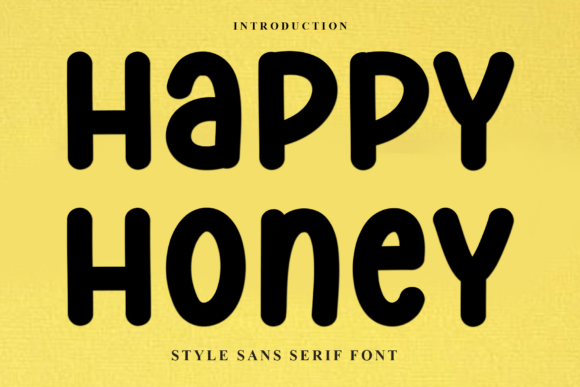
As a display font, Happy Honey immediately caught my attention with its unique strokes and warm visual tone. I wanted my candle labels to reflect both quality and approachability, and this font delivered exactly that. Its gentle curves and slightly irregular letterforms gave it a handcrafted feel, which resonated perfectly with the artisanal vibe of my products.
I tested it on mockups for my new lavender soy candles and found that the font worked beautifully in print. It wasn’t too bold or overwhelming, but it still commanded attention without shouting. On smaller label sizes, readability was key—thankfully, Happy Honey maintained clarity even at 8pt, making it ideal for product labels and packaging design.
Happy Honey in Logo Design and Brand Identity
A few months after using Happy Honey on my candle labels, I decided to revisit my brand logo. I’d been using a simple sans serif, but it lacked personality. After experimenting with several options, I landed back on Happy Honey. While it might not be perfect for long blocks of text, it shines in short, impactful phrases like “Lush & Pure Candles.”
What really sold me was how it helped my logo stand out while maintaining a sense of warmth and authenticity. Customers started commenting on how inviting the logo looked, and I realized that typography plays a bigger role than I ever expected in shaping first impressions. With a font like Happy Honey, your brand doesn’t just look good—it feels good too.
Happy Honey for Café Menus and Instagram Templates
Recently, a friend who runs a cozy café asked for help redesigning her menu board. She was looking for something fresh and modern, but also welcoming and personal. I suggested trying Happy Honey for the headings. Its soft edges and distinctive character added a touch of elegance to her rustic décor, and the contrast between the font and a clean sans serif body text made the layout easy to read and visually balanced.
We used Happy Honey for section headers like “Breakfast Bites” and “Signature Drinks,” and it transformed the whole menu into a cohesive experience. Her customers noticed the change too—several mentioned how the new design made the café feel more curated and professional.
Later, she asked if we could use the same font for her Instagram templates. I was happy to say yes. Happy Honey is versatile enough to work across digital platforms, especially in display settings where you want to highlight key messages or promotions. Whether it was a seasonal latte special or a weekend event, the font always brought a sense of charm and intentionality to the visuals.
Font Pairing Tips with Happy Honey
If you’re thinking about using Happy Honey in your branding, pairing it with the right supporting fonts is essential. I’ve found that it works best when combined with a minimalist sans serif like Montserrat or Lato. These fonts keep the body text clean and readable, letting Happy Honey take center stage in headlines and titles.
For a more elegant or editorial feel, I recommend pairing it with an elegant serif font such as Playfair Display or Merriweather. This combination can elevate everything from product descriptions to blog headers, creating a balance between creativity and professionalism.
And if you're going all-in on a decorative theme, try combining Happy Honey with a subtle script or handwritten font for accents—just make sure they don’t compete for attention. The key is to let Happy Honey lead the visual narrative without overshadowing the rest of your design assets.
Why Choose Happy Honey for Display Typography?
Let’s talk about what makes Happy Honey stand out in the world of Fonts. As a display typeface, it’s designed to make a statement rather than serve as body text. Its personality is clear: it’s friendly, artistic, and a bit whimsical. But don’t mistake whimsy for weakness—this font has real presence.
When I used it for a boutique client's gift tags, it instantly elevated the overall look. The typeface had a way of drawing the eye toward the message, whether it was a thank-you note or a personalized monogram. And because it’s part of the Display category, it’s optimized for larger sizes where details can shine, making it great for shop signage, website banners, and social media graphics.
Happy Honey in Web Design and Digital Ads
I’ve also experimented with Happy Honey in web design projects for clients. Used sparingly in headers and call-to-action buttons, it brings a human touch to otherwise sterile layouts. For online shops, this kind of Fonts can make a big difference. It helps create a customer-friendly environment that feels less corporate and more community-driven.
In digital ads, where attention spans are short and visuals must speak quickly, Happy Honey proved itself valuable. When paired with high-quality imagery and concise copy, it helped the brand message feel more personal and trustworthy. It’s the kind of font that encourages engagement without being over the top.
Commercial Use and Licensing Considerations
One thing I always check before recommending any font is its commercial use license. Happily, Happy Honey comes with clear licensing terms that allow it to be used on physical products, digital downloads, and marketing materials. It’s important to know what file formats are included (like OTF or TTF), whether multilingual support is available, and if there are alternate characters or ligatures that enhance the design.
For small businesses, having access to these features means you can confidently build your brand identity without worrying about legal issues down the line. Always double-check the font’s usage rights before applying it to anything intended for sale or public sharing.
Readability Tips for Using Happy Honey Effectively
While Happy Honey is a premium font, it’s not suited for every situation. Here are a few tips I’ve learned from using it across different mediums:
- Printed Packaging: Stick to larger sizes to maintain clarity. Avoid using it for tiny details or ingredients lists.
- Mobile Screens: Test how it looks on smaller devices. You may need to adjust spacing or size slightly for optimal legibility.
- Social Media Thumbnails: Use it for short, punchy headlines or taglines. It adds a memorable touch without overwhelming the viewer.
- Product Mockups: Try it in various weights (if available) to see how it responds to lighting and shadows in mockup environments.
By keeping these considerations in mind, you can ensure your use of Happy Honey enhances your brand rather than hinders it.
Final Thoughts on Happy Honey for Small Business Branding
Typography is often overlooked by entrepreneurs, but it’s one of the most powerful tools in building a strong brand identity. Fonts like Happy Honey bring personality to your designs and help you stand out in crowded markets. Whether you're working on product labels, menus, or social media content, choosing the right display font can transform your materials from generic to extraordinary.
My experience with Happy Honey has been nothing short of positive. It’s become a staple in my creative toolkit, especially for clients in lifestyle, food, and beauty niches. If you’re ready to give your branding a more polished, consistent, and memorable edge, it’s worth considering this Fonts for your next project.