Bloomington Font: A Display Typeface That Elevates Branding
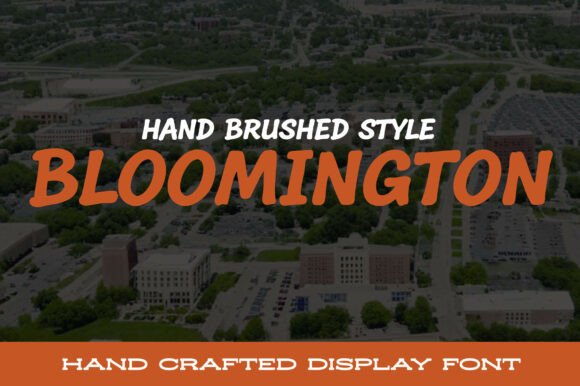
As a small business owner, I’ve spent countless hours tweaking my branding — from logo mockups to social media templates. Recently, I was redesigning the product labels for a new line of handmade candles and felt stuck with the usual fonts. Then I stumbled upon Bloomington, a hand-brushed display font that instantly brought energy and authenticity to my designs. If you’re looking for a typeface that feels alive and can help your brand stand out, this is the one.
Bloomington for Product Labels and Handmade Branding
I first used Bloomington on the front label of my candle jars. The font’s bold, fluid strokes gave each jar a warm, artisanal feel. It wasn’t just readable — it had character. My customers mentioned how much they loved the handwritten look, which made the products feel more personal and crafted with care. This is exactly what handmade sellers need: a display font that doesn’t scream “mass-produced” but instead whispers “handmade with love.”
The way Bloomington handles short phrases like “Hand-Poured Soy Candle” or “Natural Fragrance Blend” is perfect for packaging. Its unique alternates and ligatures add subtle variety without overwhelming the eye. Just make sure to pair it with a clean sans serif font in smaller sizes for ingredient lists or pricing to maintain readability.
Bloomington in Café Menus and Poster Design
A local café friend of mine was refreshing her weekend menu board and wanted something different than the standard Helvetica or Times New Roman. She tried Bloomington as the headline font for her seasonal specials. The result? A vibrant, inviting menu that caught people’s attention even from across the room. As a display font, Bloomington works especially well for headlines and decorative accents in print and digital menus alike.
She also used it for a promotional poster advertising their latte art workshop. The bold, expressive nature of Bloomington helped the event title pop, making it more engaging and shareable on Instagram. For businesses that want to blend creativity with clarity, this font ticks all the boxes. Just remember to keep body text legible by using a simpler typeface beneath it.
Why Display Fonts Like Bloomington Matter for First Impressions
In today’s competitive market, first impressions are everything. Typography plays a big role in how your brand is perceived. Bloomington isn’t just another font — it’s a visual statement. When your logo or signage uses a font that feels intentional and expressive, it builds trust and makes your brand more memorable.
Take a boutique I worked with last year. They were rebranding their tags and needed something that felt both modern and warm. After trying several premium fonts, they settled on Bloomington for their tagline. The fluidity and natural brush texture of the font added an artistic touch that matched their handmade aesthetic perfectly. Customers started asking about the font, which led to deeper engagement with the brand story.
Bloomington for Social Media Graphics and Online Shop Banners
If you’re selling online, your shop banner and social media graphics are often the first thing potential customers see. I recently updated my own Instagram templates using Bloomington for the main call-to-action text. Words like “Shop Now,” “Limited Edition,” or “Thank You for Supporting Small Business” took on a fresh, energetic tone. The fluid style of the display font gave my posts a handcrafted vibe that resonated with my audience.
For website banners, I found that Bloomington works best when used sparingly. Too much of it can become distracting, especially on mobile screens. But when used for key headlines or hero sections, it adds a sense of warmth and professionalism. Just ensure your background contrasts well — light pastels or neutral tones work great to let the font shine.
How Bloomington Can Help Build Visual Consistency Across Materials
One challenge many small businesses face is maintaining consistent branding across all materials. Bloomington offers a solution by serving as a versatile anchor in your design toolkit. I’ve used it across flyers, thank-you cards, and even product mockups for a beauty brand, and it always looked cohesive and stylish.
For instance, a skincare brand I advised was struggling to unify their label design and packaging inserts. Once we introduced Bloomington into their brand identity, the entire look came together. The font’s authentic energy bridged the gap between their minimalist logo and the detailed product descriptions. It became a signature element that customers began to associate with the brand itself.
Before finalizing any project, I recommend checking the included styles, weights, and file formats. Some display fonts only offer limited options, but Bloomington has enough variation to handle most branding needs — including multilingual support if you cater to diverse audiences.
Bloomington for Logo Design and Brand Accents
Logos are the heart of your brand, and the right typeface can make all the difference. Bloomington is not ideal for every logo — it leans more towards brands that value creativity over strict minimalism. However, for a bakery or craft store, it can be perfect. I tested it on a client’s bakery logo, and the brushed texture gave it a homey, artisanal charm that matched their values beautifully.
When using Bloomington in logo design, I suggest combining it with a solid serif font or clean sans serif font for supporting text. This balance keeps the logo from feeling too informal while still retaining its personality. Always test the font at various sizes to ensure it reads well on both large posters and small business cards.
Font Pairing Ideas With Bloomington
- Clean Sans Serif: Great for body text, pricing, or captions. Think of something like Montserrat or Lato.
- Elegant Serif: Adds contrast and sophistication. Try pairing with Georgia or Playfair Display for editorial-style content.
- Script or Handwritten Font: For softer, complementary accents. Bloomington itself already has a script-like feel, so avoid similar styles unless you want a layered look.
- Modern Typography: Use it alongside geometric or minimalist fonts for a dynamic visual hierarchy.
Remember, typography should guide the reader’s eye and reflect your brand voice. Bloomington brings a lively, creative edge to the table — and the right pairing ensures your message stays clear and professional.
Readability Tips for Using Bloomington on Mobile and Print
While Bloomington is excellent for headlines and short bursts of text, it’s important to use it wisely in smaller formats. On printed product labels, especially those with intricate designs, the font can get lost if it’s too thin or cramped. Stick to larger point sizes for better visibility and impact.
On mobile screens, where space is limited, I recommend using Bloomington only for the most important words. Its hand-brushed style might not render clearly in tiny thumbnails or social media bios, so save it for Instagram stories, email headers, or shop banners where it can truly breathe.
Also, consider the color and spacing around the text. Because Bloomington has a lot of detail in its strokes, it needs enough white space to remain legible. Avoid placing it on busy backgrounds or in tight grids unless you’re going for a specific mood.
Bloomington for Wedding Invitations and Event Posters
Another fun use case for Bloomington is event design. I recently helped a wedding planner create custom invitations for a client who wanted something unique and romantic. The font’s soft, flowing curves paired beautifully with floral illustrations and watercolor textures. It didn’t feel overly ornate, yet it exuded elegance — the kind of creative font that turns heads and sparks conversation.
For event posters, whether it’s a launch party or a local fundraiser, Bloomington helps create a strong visual hook. People scan quickly, and a bold, expressive headline can stop them in their tracks. Just make sure the supporting details (like dates, times, locations) are in a contrasting but complementary font to keep everything scannable.
And if you're creating digital downloads or printable assets for events, always check the licensing. Since Bloomington is a commercial font, it’s safe to use for client projects, physical products, and digital campaigns — as long as you have the proper rights.
Is Bloomington Right for Your Brand?
Not every brand needs a dramatic display font, but if yours is rooted in creativity, craftsmanship, or emotional storytelling, Bloomington could be the missing piece. I’ve seen it transform everything from boutique price tags to flyer titles for a local wellness coach. It’s not just a pretty typeface — it’s a tool that helps your brand speak with confidence and warmth.
Its versatility allows it to fit into multiple niches. Whether you’re designing thank-you cards, coaching brand assets, or product mockups, the font adapts well while maintaining its core appeal. Just don’t overuse it — moderation is key to keeping your visuals balanced and professional.
So, if you’re ready to give your branding a boost with a font that feels alive, I’d say it’s time to bring Bloomington into your design process. It’s a font that doesn’t just look good — it tells a story. And in the world of small businesses, that’s exactly what you want your brand to do.