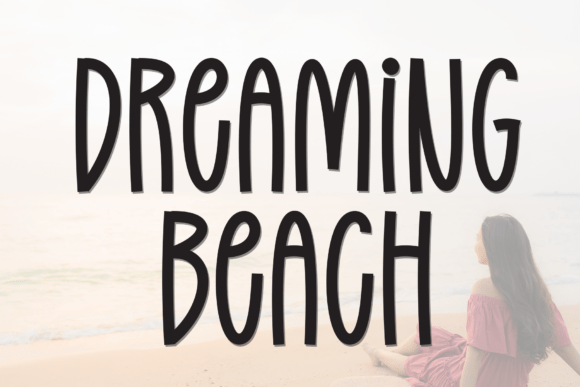
Dreaming Beach Font: A Display Typeface for Delightful Editorial Design
There’s something about the moment you open a new design project—whether it's an ebook cover, a newsletter header, or a printable planner layout—that invites you to make choices that feel both intuitive and inspired. Recently, I was working on a digital magazine redesign with a focus on lifestyle content, and I found myself drawn to Dreaming Beach, a display font that feels like a gentle breeze through your reader’s eyes.
Dreaming Beach in Lifestyle Blog Headers
I began testing Dreaming Beach as a potential header font for a blog focused on mindfulness and coastal living. The title of each post needed to reflect a sense of calm while still standing out from the sea of generic sans serif fonts. With its clean lines and subtle rounded edges, Dreaming Beach brought just the right amount of warmth and clarity. It wasn’t too playful to lose professionalism, nor too formal to feel inviting.
The balanced letterforms made it easy to read at various sizes, which is crucial when designing headers for mobile users who might skim through content quickly. I paired it with a simple sans serif body font to maintain contrast without clashing. Readers responded positively to how the headers felt more intentional and welcoming, encouraging them to explore the full articles.
Dreaming Beach for Recipe Ebook Titles and Pull Quotes
In another project, I was helping an independent food blogger launch a downloadable recipe collection. We wanted the cover to evoke a cozy, approachable aesthetic that matched her brand. That’s when I reached for Dreaming Beach. Its friendly vibe immediately softened the visual tone, making the cover feel less commercial and more like a personal invitation to enjoy a meal together.
Not only did it work well for the main title, but I also used it in pull quotes throughout the ebook. These short, impactful statements were highlighted using Dreaming Beach in a lighter weight, adding visual rhythm and guiding the reader’s eye naturally across the page. The font didn’t distract from the content but instead enhanced the overall reading experience by reinforcing the personality of the author.
Using Dreaming Beach in Wedding Guides and Branding Projects
When I recently collaborated on a digital wedding guide, the client asked for a typeface that would feel romantic yet professional. I suggested Dreaming Beach for section headings and decorative accents. The font’s elegant simplicity complemented the soft pastel color palette we were using, and the rounded edges gave it a handcrafted, personal touch.
We also used it in the branding assets—like the email signature and social media banners—for a cohesive look. Because it’s a display font, it works beautifully for attention-grabbing headlines and small bursts of text where personality matters most. Just be sure to check if it includes multilingual support if your publication caters to a global audience.
Dreaming Beach in Newsletter Graphics and Magazine Covers
Newsletters are all about catching the reader’s eye before they even open the email. In one case, I was tasked with creating a monthly wellness update, and I used Dreaming Beach for the subject line and the main graphic. The result? More subscribers opened the newsletter and engaged with the featured content.
Its use in a digital magazine cover was equally rewarding. As a display font, Dreaming Beach doesn’t shout—it sings. When used sparingly and with purpose, it can elevate the mood of your publication. Think of it as the difference between a loud headline and a whisper that lingers. For magazines and newsletters alike, this kind of subtlety can help build trust and familiarity with the reader.
How Dreaming Beach Supports Visual Hierarchy
One of the best things about working with Dreaming Beach is how it helps establish a clear visual hierarchy. In editorial design, hierarchy is everything. You want readers to know where to start, what to emphasize, and how to follow along without confusion.
- Cover Text: Dreaming Beach adds a soft sophistication to titles without overwhelming the design.
- Section Headings: Its neat structure makes it ideal for breaking up long articles into digestible chunks.
- Pull Quotes: The font draws attention to key messages, especially when styled with contrasting colors or background highlights.
I’ve seen it perform exceptionally well in course PDFs and coaching workbooks, where the goal is to create a calming, supportive atmosphere. It’s not a font you’ll want to overuse, but in the right spots, it can transform a layout from ordinary to memorable.
Dreaming Beach for Printables and Printable Planners
Printables have become a go-to format for many creators, from planners to worksheets to guided journals. In my latest printable planner project, I tested Dreaming Beach for weekly goals and motivational prompts. The font added a touch of serenity, making the pages feel less rigid and more inviting.
What stood out most was how well it handled screen reading and print export. The letter spacing and x-height are generous enough to remain legible on smaller screens and in printed formats. This dual-purpose capability is rare for a display font, making Dreaming Beach a smart choice for creators who publish across multiple platforms.
Font Pairing Tips for Digital Publications
Display fonts often shine when paired with more neutral body fonts. For example, in a recent travel blog layout, I combined Dreaming Beach with a classic serif font for the article body and a minimalist sans serif for captions and sidebars. The contrast allowed the headers to pop while keeping the rest of the content grounded and easy to read.
If you're using Dreaming Beach for a Fonts-driven brand identity, consider how it interacts with other design elements. A bold version could serve as a logo font, while a light or italic variation might appear in navigation menus or call-out boxes. Always test different weights and styles in real-world layouts to ensure consistency and harmony across your design.
Dreaming Beach in Coaching Workbooks and Course PDFs
Coaching workbooks and educational PDFs need to be both functional and motivating. I recently worked on a self-care course for a wellness coach, and after trying several options, Dreaming Beach became the standout choice for chapter titles and activity headers.
It created a sense of ease and accessibility, which is exactly what the content required. Readers commented on how the font made the material feel less intimidating and more like a conversation. That’s the power of thoughtful typography—it shapes how people perceive your message before they even read it.
Readability Across Media
A great display font should work across formats. Here’s how Dreaming Beach performed in different scenarios:
- Screen Reading: The font maintains clarity at small sizes, which is essential for web and mobile readability.
- PDF Exports: It exports cleanly and retains its crispness, ensuring high-quality prints and downloads.
- Print Materials: The font’s clean structure translates well to paper, avoiding issues like ink bleed or pixelation.
- Long-Form Content: While it’s not suited for body copy, it shines in longer reads when used for headings, chapter openers, and section breaks.
Why Dreaming Beach Works for Digital and Print Projects
As someone who frequently switches between digital and print design, I value fonts that adapt gracefully. Dreaming Beach has proven itself versatile in both spaces. Whether you’re building a digital magazine layout or preparing a print-ready booklet, it brings a consistent, approachable style that enhances your content’s emotional impact.
Its Fonts category placement is perfect for designers looking to add character without sacrificing readability. I particularly appreciate how it avoids the pitfalls of overly stylized display fonts—no unnecessary flourishes or confusing glyphs. It’s designed to be seen, not just admired.
Practical Considerations Before Purchase
Before committing to Dreaming Beach for your next publication, take a moment to review the included styles and variations. Does it offer alternates for certain letters or ligatures that could add visual interest to your designs? Are there enough weights to support different typographic needs?
Also, verify file formats and licensing details. If you plan to sell digital products or distribute your work commercially, ensure the license covers those uses. Many premium Fonts require specific permissions for different applications, so it's always good to double-check.
Dreaming Beach for Social Media and Brand Identity
Social media graphics often rely on strong typography to convey tone and intent. In a recent project for a beach-themed boutique, I used Dreaming Beach in promotional posts and event announcements. The font helped reinforce the brand’s relaxed, sun-soaked identity without being too literal.
For brand identity work, I recommend using it in logos or taglines. It pairs well with more structured sans serif fonts for websites and app interfaces, allowing the brand voice to come through clearly. The key is to balance its casual charm with more utilitarian typefaces to avoid visual fatigue.
Final Thoughts on Typographic Mood and Rhythm
Choosing the right font isn’t just about aesthetics—it’s about setting the right mood and rhythm for your content. Dreaming Beach offers a unique blend of simplicity and warmth that makes it stand out in a crowded design landscape. As a display font, it knows when to speak up and when to step back, making it a trusted companion in any editorial designer’s toolkit.
Whether you're crafting a Fonts-centered brand or simply looking to enhance your next layout, Dreaming Beach provides the quiet confidence of a timeless typeface wrapped in the fresh energy of modern design. It’s the kind of font that feels like it belongs to the content rather than competing with it—and that’s exactly what your audience deserves.