Milky Pudding: A Festive Display Font for Web Designers
As a web designer, I'm always on the lookout for display fonts that bring personality and visual warmth to digital projects. Recently, I had the chance to test Milky Pudding, a typeface that caught my eye with its holiday charm and whimsical character. Though it's clearly built for festive use, I wanted to see how it could translate into a modern website design—especially one focused on branding, storytelling, and user experience.
Testing Milky Pudding in a Hero Section
I first tried Milky Pudding on a boutique online store project for a small business selling handcrafted holiday gifts. The hero section needed a bold headline that felt inviting and magical. After placing "Milky Pudding" over an image of a snow-dusted village scene, I was immediately struck by how the font’s decorative elements added just the right amount of enchantment without becoming overwhelming.
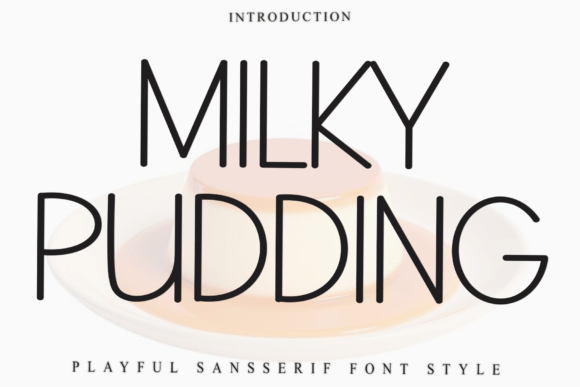
The letters are slightly playful yet structured enough to maintain clarity at larger sizes. It works beautifully as a header when paired with a high-contrast background. I made sure to check how it looked on both desktop and mobile screens, and while the intricate details don’t scale well below 32px, they hold up nicely at 48px and above. That means it’s ideal for headlines, title banners, or brand taglines where you want to make a strong visual impact.
Milky Pudding for Seasonal Landing Pages
With the holidays fast approaching, many brands are launching limited-time campaigns. For a client promoting a winter wellness retreat, I used Milky Pudding in the landing page title and a few call-to-action buttons. The result? A warm, approachable tone that stood out from more corporate or minimalist designs.
What I liked most was how the font subtly evokes joy and nostalgia without being cheesy. It’s perfect for seasonal promotions, campaign pages, or any project where the brand wants to communicate a sense of celebration and care. However, I did pair it with a clean sans serif like Inter or Lato for body copy to ensure readability wasn’t compromised.
Why Pair It With a Sans Serif?
Display fonts like Milky Pudding often come with flourishes and unique shapes that can clash with complex body typefaces. To keep the layout legible and professional, I always recommend using them sparingly and pairing them with a neutral, simple font for supporting text. This way, the whimsy of Milky Pudding shines through without making the rest of the content hard to read.
Milky Pudding in Brand Identity Projects
Another project involved helping a creative studio define their digital brand kit. They were looking for something memorable and distinctive that still felt professional. Milky Pudding ended up being a great choice for logo text and social media headers. Its merry and decorative style helped reinforce the brand’s joyful and artisanal vibe.
For a more editorial feel, I suggested using a serif font alongside it, but since the brand leaned toward a modern aesthetic, we went with a sleek sans serif again. The contrast between Milky Pudding and the supporting font created a balanced and visually engaging hierarchy. Users noticed the headline instantly, which is exactly what you want for brand recognition and engagement.
Font Styles and Licensing Considerations
Before finalizing Milky Pudding for the brand kit, I checked the available styles and licensing options. Since it's a display font, it doesn’t offer multiple weights or italics, which is typical for this category. But it does include several alternates and ligatures that allow for customization in key phrases or logos.
It’s important to note that if you're using it for commercial websites, client projects, or online stores, you’ll need to confirm that the license supports webfont embedding. File formats like WOFF and TTF are standard for digital use, so make sure the font provider offers those for seamless integration into your site’s CSS.
Using Milky Pudding in Creative Portfolios and Blogs
I also experimented with Milky Pudding on a portfolio homepage for a wedding photographer. The client wanted to stand out with elegant typography that reflected the beauty and emotion of their work. Placing the font in the main title and a few subheaders gave the site a touch of sophistication and charm—perfect for a niche that thrives on aesthetics and personal connection.
On blogs and product landing pages, I found that Milky Pudding worked best for feature titles and blog post headers. Readers tend to scan quickly, so I avoided using it in long paragraphs or menu items. Instead, it became a highlighter for key sections, encouraging users to engage further with the content.
Readability Tips for Image Overlays
When using Milky Pudding over images—like hero banners or promotional slides—I kept the text short and impactful. I used semi-transparent white or light gray overlays behind the text to prevent it from blending into busy visuals. Also, I made sure to increase the letter spacing slightly for better legibility, especially on smaller devices.
Here are a few quick tips I followed:
- Use Milky Pudding for short, punchy headlines (not long blocks of text).
- Ensure there’s enough contrast between the font and background color or image.
- Avoid using it in navigation menus or other interactive elements unless absolutely necessary.
- Optimize file size to ensure fast loading, particularly for large websites or e-commerce platforms.
Milky Pudding for Holiday-Themed Websites
Of course, the most obvious application for Milky Pudding is holiday-themed websites. Whether it's a Christmas gift shop, a New Year’s party planner, or a cozy winter café landing page, this font brings a sense of festivity and cheer that’s hard to replicate with more traditional typefaces.
In one case, I used Milky Pudding for a SaaS company’s end-of-year campaign. Their product helps small businesses create custom marketing templates, and the font fit perfectly within the theme of “holiday-ready designs.” I embedded it in the CTA button (“Create Your Festive Template”) and saw how it naturally drew attention and sparked curiosity among visitors.
Scanning Behavior and Visual Hierarchy
Even though Milky Pudding has a lot of visual interest, it doesn’t distract from the overall layout. The structure of each letter is clear enough to guide the reader’s eye across the screen, especially when used in headers. I found that placing it in a central focal point—like the hero area—helped establish a strong visual hierarchy early on, encouraging users to explore the rest of the page.
However, be cautious with dark backgrounds. While it looks beautiful on lighter tones, the subtle details can get lost in shadowy gradients or deep hues. Always preview it across different screen sizes and lighting conditions before locking it in for production use.
Bringing Enchantment to Digital Ads and Promos
Working on a campaign landing page for a new online course, I used Milky Pudding in the headline and a couple of subheaders to add a sense of excitement and creativity. The goal was to convey that the course would help users build a more expressive and engaging brand, and the font played a big role in setting that tone.
Its whimsical flair made the ad feel less salesy and more inviting. I also tested it in social media graphics and email headers, where it performed well as a decorative accent. Just remember, it's not a replacement for serious or formal typography. Use it strategically to highlight moments where a bit of charm can enhance the message.
Multilingual Support and Global Brands
If you're designing for an international audience, make sure Milky Pudding supports the languages you need. While some display fonts lack extensive multilingual support, others are built with global accessibility in mind. Check the character set before using it in anything beyond English content, especially if you're working with European languages or non-Latin scripts.
Final Project Insights: When to Choose Milky Pudding
After testing Milky Pudding across several real-world scenarios, I’ve found it to be a versatile tool in the right context. Here’s when I’d recommend using it:
- Hero sections and title banners for seasonal campaigns.
- Logo design and brand headers for creative or lifestyle businesses.
- Decorative accents in UI elements like buttons, badges, or testimonials.
- Blog headers and feature cards where a touch of personality is welcome.
But it’s not a one-size-fits-all solution. If your brand identity leans too formal or minimalist, it might not align well. However, for boutique shops, creative portfolios, and holiday-themed projects, it’s a fantastic asset.
Responsive Typography with Milky Pudding
One thing I always consider when using display fonts is responsiveness. Milky Pudding holds up well on larger screens, but on mobile, the ornate details can become harder to read. To mitigate this, I adjusted the font size dynamically using CSS media queries and ensured that the line height and letter spacing were optimized for smaller viewports.
This attention to detail helped maintain the font’s appeal across all devices. Visitors didn’t lose the emotional connection to the brand, even on their phones. It’s a great reminder that choosing a font isn’t just about aesthetics—it's also about ensuring it performs well under every condition.
Milky Pudding as a Premium Display Font Choice
There’s a growing trend among designers to invest in premium fonts that elevate their work. Milky Pudding fits right into that category. It’s not a free font, but it delivers a level of quality and uniqueness that justifies the cost for anyone looking to build a polished and memorable online presence.
Compared to generic script or handwritten fonts, Milky Pudding feels more refined and intentional. It’s designed to look good in both print and digital contexts, making it suitable for everything from packaging design to social media assets. As part of a broader set of design assets, it adds a special flavor that sets your brand apart.
Design Assets and Brand Consistency
Consistency is key in building trust and recognition. When using Milky Pudding, I always suggest incorporating it into a few core brand elements—like the logo, hero titles, and key headings—while keeping the rest of the site grounded with a complementary font. This creates a cohesive visual language that feels intentional and stylish.
It’s also worth considering how it will look in print materials, such as flyers or brochures, if your brand uses those. Many display fonts struggle with print due to their fine details, but Milky Pudding maintains its charm and clarity in both environments.
Conclusion-Free Takeaway
Choosing the right font can transform a website from functional to unforgettable. Milky Pudding isn’t just another display font—it’s a mood booster for digital layouts that aim to capture attention and evoke emotion. From boutique sites to campaign pages, it brings a sense of occasion and delight that resonates with audiences during the holiday season and beyond.
If you’re ready to inject a little whimsy into your next project, give Milky Pudding a try. Test it in real scenarios, observe how it affects user behavior, and let it shine where it matters most. In a world of endless typefaces, a font like Milky Pudding can be the difference between blending in and standing out.