Ink Blot Rough Brush Font: A Display Typeface with Hand-Painted Soul
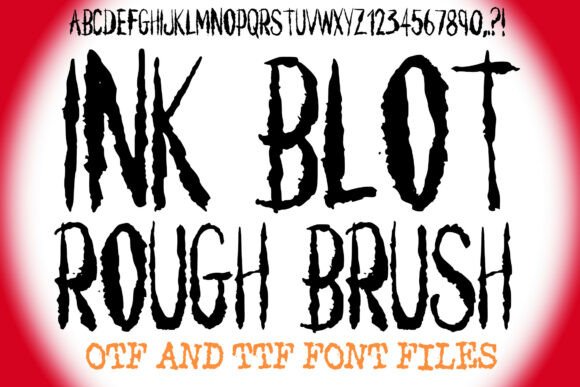
There I was, staring at a blank brand board for a local artisanal skincare line, when I decided to test Ink Blot Rough Brush. I’d heard whispers about its raw energy and hand-painted charm, but nothing beats seeing it in action. The moment I dropped the font into my logo draft, I knew this wasn’t just another display font — it had personality, texture, and a kind of artistic unpredictability that made me want to use it across every design asset in the project.
Ink Blot Rough Brush on a Logo Concept: Unleashing Artistic Energy
When working on the logo for a small business that sells natural, handmade soaps, I needed something that felt alive and authentic. Ink Blot Rough Brush delivered exactly that. Its brush-like strokes and subtle ink bleeding gave the brand an organic, handcrafted feel that matched the product perfectly. I paired it with a minimalist sans serif for body text, which helped balance out the expressive nature of the display font without overpowering it.
The irregularity in stroke width and the slight imperfections in each letter mimicked what you might see in real-life calligraphy or paint splatters. That’s not something most digital fonts can achieve without looking forced. It added a layer of creativity and warmth that felt genuine — like the owner had personally painted the name on a sign in their studio.
Using Ink Blot Rough Brush in Brand Identity Work
I took the same typeface and applied it to a brand board for a creative studio. Here, it worked wonders as an accent font. When used sparingly — for taglines or signature elements — Ink Blot Rough Brush brought a sense of movement and boldness that no clean, modern typography could replicate. It didn’t clash with the more structured elements; instead, it elevated them by adding contrast and visual interest.
- Logo Design: Ideal for short names and logos that benefit from a painterly aesthetic.
- Brand Board Use: Great for headers and accents when building a mood-driven identity.
- Consistency Check: While the font has variation, it maintains enough consistency to be used cohesively across multiple brand assets.
Ink Blot Rough Brush for Packaging Mockups and Product Labels
One of the standout moments came when I tried Ink Blot Rough Brush on a packaging mockup for a new line of herbal teas. The font’s texture really popped against a matte background, and the rough edges gave the label a tactile, artisanal look. It wasn’t perfect for long descriptions, but for the product name and key selling point — “Hand-Blended with Nature” — it was spot on.
I noticed how well it translated into print-on-demand designs too. The file format handled both CMYK and RGB accurately, and even when scaled down slightly for smaller labels, the character still held its essence. But I did find myself avoiding using it in tiny sizes — it’s not built for that. This is definitely a display font, and it thrives in larger formats where its details can shine.
Ink Blot Rough Brush in Social Media Layouts and Web Design
On a recent Instagram layout for a boutique stationery shop, I layered Ink Blot Rough Brush over a soft watercolor background. The result? A hero section that felt both elegant and edgy. It drew attention instantly, making the post more engaging. For web design, I used it as a header font on a homepage for a local art gallery. The font’s hand-painted quality added a personal touch that aligned with the gallery’s mission of showcasing emerging artists.
What impressed me was how the font didn’t feel gimmicky online. Too many display fonts fall flat in digital spaces, but Ink Blot Rough Brush retained its authenticity while remaining legible at screen sizes. Just keep the color contrast high and avoid overly busy backgrounds if you’re using it for web headers or mobile interfaces.
Font Pairing Tips for Ink Blot Rough Brush
If you're going to make the most of Ink Blot Rough Brush, pairing it with the right supporting fonts is key. I found it worked best alongside a clean, modern sans serif for readability in longer text. Think of something like Montserrat or Lato — they ground the wild energy of Ink Blot Rough Brush without clashing.
For a more vintage-inspired branding project, I mixed it with a delicate script font for subheadings. The combination created a dynamic visual rhythm between bold and soft, rough and refined. However, don’t try to pair it with another handwritten font unless you're aiming for a chaotic look — it’s already expressive enough on its own.
Real-World Limitations and Readability Concerns
Now, let’s get real. Ink Blot Rough Brush isn’t the font for everything. It shines brightest in short phrases and large-scale applications. In body copy, especially for websites or brochures, it loses clarity and becomes hard to read. I wouldn’t recommend it for anything requiring dense text blocks — like blog posts or product descriptions.
Also, be cautious about using it in formal corporate settings. It’s got a certain rebellious flair that doesn’t always jive with polished, professional aesthetics. That said, if your brand is all about creativity, passion, and a little bit of edge, this is one of those rare fonts that feels like it was born for the job.
Testing Ink Blot Rough Brush Before Finalizing a Project
Before committing to Ink Blot Rough Brush in a client’s final work, I always run through a few quick tests. First, I check how it looks in different weights and styles if available. Then, I place it on a variety of surfaces — paper textures, digital screens, dark and light backgrounds — to ensure it adapts well. Finally, I test it in both print and web environments to confirm it works across mediums.
I also consider the audience. If the target demographic skews toward young creatives or luxury niche markets, the font fits like a glove. But for more traditional or conservative brands, it might come off as too eccentric.
Commercial Use and Licensing Notes for Ink Blot Rough Brush
Before jumping into any commercial project, whether it’s for a client’s logo, a product label, or a website, it’s important to review the font’s licensing agreement. Ink Blot Rough Brush is likely a premium font, and depending on the vendor, it may require a separate license for web use, merchandise, or print-on-demand items. Don’t assume it's okay to use it everywhere — always double-check.
Some versions of display fonts include alternate characters or ligatures, which can enhance the hand-painted effect. I recommend exploring these options if you want to add more depth to your brand’s typographic language. Multilingual support is usually limited in such expressive fonts, so if your project needs to support other languages, verify compatibility first.
Why Ink Blot Rough Brush Belongs in Your Typography Toolkit
Fonts are more than just letters — they’re emotional triggers. And Ink Blot Rough Brush is a masterclass in evoking feeling. Whether you're designing for a boutique, a café with soul, or a creative studio that wants to stand out, this typeface gives your work an injection of authenticity and energy that’s hard to ignore.
I’ve used it in everything from bakery signage to handmade jewelry tags, and each time it brought a unique voice to the table. It’s not just a font; it’s a statement. So if you’re looking for a display font that breaks the mold while still being professional and versatile, give Ink Blot Rough Brush a try. You might just find the missing piece of your next big brand identity project.