Camila Bryan Font for Modern Web Design Projects
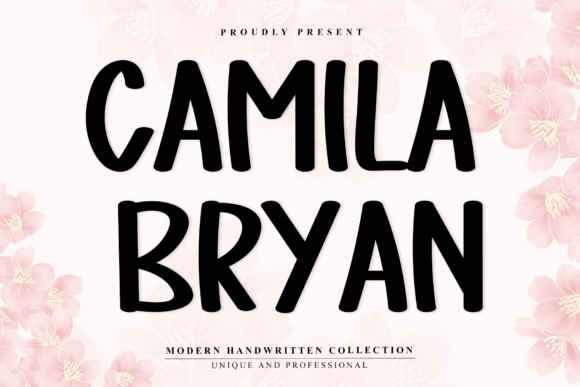
I was working on a redesign for a boutique online store when I stumbled upon Camila Bryan. The client wanted to elevate their brand from generic e-commerce to something more expressive and trustworthy. As a web designer, I knew the right font could make all the difference — especially in a Display Fonts category that’s often overlooked but crucial for visual impact. Camila Bryan immediately caught my eye with its tall, playful letters that exude energy without overwhelming the layout.
Camila Bryan Adds Charm to Personal Branding Sites
One of the standout features of Camila Bryan is how it balances charm and professionalism. It's not just another handwritten font you’d find in a free font library — this one has a clean structure that makes it feel intentional and modern. When applied to a creative portfolio homepage, it helped the designer stand out while maintaining a sense of credibility. I used it for the hero headline and paired it with a minimalist sans serif for body text, which created a strong visual hierarchy and made the site feel both approachable and polished.
Testing Camila Bryan on a Coaching Website Hero Section
I tested Camila Bryan on a coaching website’s hero section by placing it over a subtle background image of a sunrise. At first, I worried the handwritten style might be too soft or hard to read at larger sizes, but the tall character shapes actually improved legibility. On mobile, where every pixel counts, the font scaled beautifully without losing its essence. It brought warmth to the branding while keeping things professional enough for clients looking for guidance and trustworthiness.
Camila Bryan in Landing Pages and Product Headlines
When building a product landing page for a new SaaS tool, I needed a font that could convey innovation and creativity without being overly whimsical. Camila Bryan worked perfectly for the headline above the fold. Its energetic curves gave the page a dynamic start, while the minimal weight kept it from clashing with the rest of the design. I found myself using it again for key feature titles, where it added personality without distracting users from scanning content quickly.
What I appreciate most is how it plays well with other typography elements. For instance, pairing it with a sleek sans serif like Inter or Lato helps maintain balance. This is essential in any web design project, especially when aiming for a cohesive brand identity.
Using Camila Bryan for Call-to-Action Buttons and Banners
I experimented with Camila Bryan for call-to-action buttons on a course sales page. While it wasn’t ideal for long phrases or small touchpoints due to its decorative nature, it worked wonders for short, punchy CTAs like “Start Now” or “Enroll Today.” The font’s unique shape made the buttons stand out, encouraging clicks without feeling forced. I also used it on a few promotional banners, where its tall letters helped it pop against busy imagery.
Camila Bryan for Creative Brand Kits and Logo Text
In another project involving a digital brand kit for a small business, Camila Bryan became the primary logo typeface. The client wanted something memorable yet refined, and this modern handwritten display font delivered. It didn’t scream “cursive” but instead offered a fresh take on handwriting that felt contemporary. The included alternates were a bonus, allowing me to tweak the logo slightly for different use cases — from social media headers to print materials.
Before finalizing the font, I made sure to check its file formats and weights. The package provided multiple styles suitable for editorial design, making it easy to create variations for headlines, subheadings, and even packaging mockups. It’s always reassuring to know a commercial font supports multiple platforms and languages if your audience spans beyond English speakers.
Readability Considerations for Responsive Layouts
While Camila Bryan shines in display settings, I learned early on to avoid using it for large blocks of text. Its handwritten style and slight irregularities work best for short, impactful phrases. That said, I did use it in a few strategic places on a blog redesign, such as article titles and pull quotes. These instances were carefully placed to guide the reader’s eye and add a human touch to an otherwise clean layout.
On mobile, I increased the letter spacing and adjusted the contrast between the font and background to ensure readability. Even with these tweaks, Camila Bryan retained its elegant appeal. Whether set against a dark or light backdrop, the font maintained clarity, which is rare for many display fonts.
Camila Bryan Enhances Campaign Pages and Digital Ads
A recent campaign landing page for a wellness startup benefited greatly from Camila Bryan. The headline was bold and inviting, helping to establish a warm, personal tone. Since the page had a lot of white space and high-quality visuals, the font’s presence was just what was needed to tie everything together into a unified experience. I used it sparingly in key sections, reserving it for main titles and taglines to avoid visual clutter.
For digital ads, I chose to apply Camila Bryan only to the headline text. The short attention span of ad viewers meant we needed something instantly recognizable and trustworthy. The font’s minimal appearance helped keep the message clear, while the subtle playfulness added a layer of creativity that aligned with the brand’s mission.
Font Pairing Strategies with Camila Bryan
One thing I always consider when using a decorative typeface like Camila Bryan is how it pairs with supporting fonts. In a UI design context, consistency is key. I’ve found that combining it with a neutral sans serif works best for most projects. For a more editorial or sophisticated look, a crisp serif can complement the handwritten charm, giving the design a layered depth.
Here are a few real-world pairings I’ve used successfully:
- Camila Bryan + Inter: Ideal for tech startups and SaaS landing pages.
- Camila Bryan + Lora: Great for lifestyle blogs and creative portfolios.
- Camila Bryan + Roboto Slab: A solid choice for boutique shops and service-based brands.
Each combination reinforced the brand’s voice while ensuring usability across screen sizes and content types.
Camila Bryan in Portfolio Websites and Creative Agencies
Portfolio websites often need a unique font to reflect the creator’s style. In one case, I used Camila Bryan for a freelance photographer’s site. The font appeared in the hero title and section headings, adding a signature flair that matched the artistic direction. Because the rest of the site relied on simple, functional typography, the contrast helped highlight the most important information without confusing the user.
Another example came from a creative agency’s rebrand. They wanted a font that felt both modern and handcrafted, and Camila Bryan hit the sweet spot. It gave them the ability to showcase their creative edge while still maintaining a professional tone in client-facing content. We used it for the company name in the header and for testimonials, where it added a personal, authentic feel.
Design Assets and Brand Consistency with Camila Bryan
When designing a digital brand kit, having a consistent typographic system is critical. Camila Bryan allowed us to build a cohesive visual language across multiple assets: website headers, email templates, social media posts, and even printed collateral. Its tall, open letterforms made it adaptable to different contexts — from large-scale hero sections to smaller logo applications.
It’s also worth noting that Camila Bryan comes with excellent multilingual support, which is invaluable if your brand reaches international audiences. As a Fonts enthusiast, I always prefer premium fonts that offer comprehensive coverage so I don’t have to worry about missing characters later in the design process.
Why Choose Camila Bryan Over Other Display Fonts?
There are plenty of handwritten display fonts available, but few manage to blend professionalism and personality as effectively as Camila Bryan. Unlike some script fonts that lean too far into the casual side, this one feels curated and deliberate. It’s perfect for entrepreneurs and digital creators who want to express creativity without sacrificing clarity or credibility.
I've seen other designers go for overly stylized options that compromise readability, but Camila Bryan avoids that pitfall. Its structured yet fluid design ensures it remains legible even at smaller sizes, which is a big plus for responsive layouts and fast-loading visual content.
Real-World Use Case: Boutique Store Redesign
Let me walk you through a specific project where Camila Bryan really stood out. I was tasked with redesigning a boutique clothing store’s website. The previous version was too corporate and lacked the personal touch the owner wanted. After trying several Fonts in the Display category, Camila Bryan became the clear winner. It added a sense of individuality to product names and collection headers, while the rest of the site remained grounded with simpler typography.
The result? A more engaging browsing experience. Shoppers could easily scan the site thanks to thoughtful font usage, and the brand’s story felt more genuine. It’s a great reminder that typography choices directly influence how users perceive your brand — and in this case, it made all the difference.
Final Thoughts on Typography and Brand Trust
Typography isn’t just about looks; it’s about communication. Choosing the right Fonts can subtly shift the tone of your entire website. With Camila Bryan, I’ve noticed a marked improvement in the perceived trustworthiness of sites, particularly those focused on personal branding or creative services. It adds a human element without going overboard, which is exactly what today’s users crave in a digital-first world.
If you're a web designer or digital product creator looking for a Display Font that brings warmth and modernity to your layouts, give Camila Bryan a try. It’s versatile, readable, and built with the kind of detail that matters in professional UI design. And remember, always verify licensing before using it on client projects or commercial sites — it’s a small step that ensures big peace of mind down the line.