Magic Doodle Font for Creative Campaigns and Display Typography
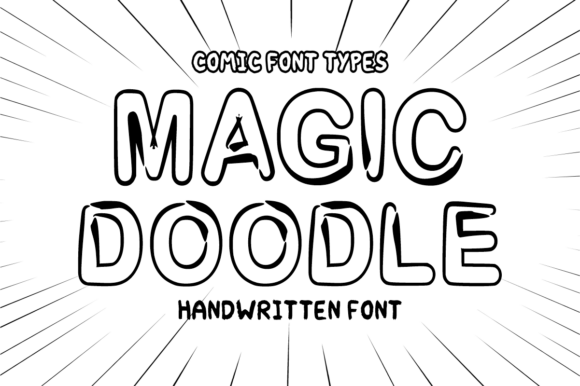
It was 3 PM on a Thursday, and the client had just given us a tight deadline to launch a teaser campaign for their new line of kids' art supplies. We needed something playful, bold, and instantly recognizable across platforms like Instagram, YouTube, and Pinterest. As I scrolled through our typeface library, Magic Doodle, the hand-drawn display font with its uppercase-only charm and comic-inspired whimsy, caught my eye. It wasn’t just another Fonts listing — it felt like a character in itself, ready to bring personality into every visual.
Using Magic Doodle in a Product Teaser for Social Media
For the teaser video thumbnail, we wanted to stand out in a crowded feed. Magic Doodle delivered with its sketch-like edges and expressive letterforms. The uppercase-only format made it easy to build short phrases that screamed attention — “Create Like a Pro,” “Unleash Your Imagination” — without losing clarity. It paired well with bright, saturated colors and illustrated backgrounds, giving the design a handmade yet polished feel.
On mobile previews, where fonts often get squashed or blurred, Magic Doodle held up surprisingly well. Its exaggerated strokes and open shapes helped it remain legible even at smaller sizes. We used it sparingly as the headline, ensuring it didn’t clash with the supporting text. This is where a clean sans serif font came in handy, balancing the whimsy of Magic Doodle with readability for body copy.
Magic Doodle for YouTube Thumbnails and Reels Covers
We created a set of thumbnails for the product launch video using Magic Doodle as the main title. The fun, doodle aesthetic aligned perfectly with the brand’s tone — youthful and imaginative. In one version, we placed the font over a gradient background; in another, we used it against a white backdrop with minimal illustration accents. Both performed equally well in testing sessions, with viewers noting how the font made them smile before they even watched the content.
When designing Reels covers, we leaned into the uppercase-only structure to craft punchy titles like “ART UNLEASHED” and “DRAW YOUR DREAMS.” The lack of lowercase letters wasn’t an issue here because the focus was on quick, impactful messaging. What worked best was combining Magic Doodle with subtle shadows or outlines to enhance contrast and visibility when scrolling fast on Stories or feeds.
Bringing Brand Consistency with Magic Doodle in Display Typography
In editorial design for the brand’s newsletter series, we used Magic Doodle to create signature headers for each issue. The font added a touch of creativity without overwhelming the rest of the layout. We saved these as reusable templates, which allowed the marketing team to maintain consistent branding across email banners and blog posts. The key was using it in high-contrast scenarios — either on light or dark backgrounds, but never both together in the same graphic.
As part of a branded template pack for the client’s online shop, we integrated Magic Doodle into hero banners and promo graphics. For example, a banner reading “SUMMER CREATIVITY SALE” used the font as a decorative title, while below it, a more neutral Fonts choice provided clear pricing info. This approach maintained visual interest while ensuring message clarity and practicality for the user.
Font Pairing Strategies for Marketing Materials Featuring Magic Doodle
To keep the campaign cohesive, we tested several pairings with Magic Doodle. A modern sans serif font worked best for digital ads and website banners, offering a sleek counterpoint to the handwritten style. We also experimented with a script font for thank-you notes and social media captions, which gave the brand a more personal and artistic vibe.
- Sans Serif Companions: Great for balance and readability in long-form copy.
- Script Fonts: Adds warmth and creativity to subheadings and callouts.
- Handwritten Fonts: Avoid using too many similar styles unless you're aiming for a very casual look.
What we found was that Magic Doodle shines when used as a primary display element, not as a full sentence or paragraph font. Its unique character makes it ideal for headlines, call-to-action buttons, and logo-style text. Just be sure to check what file formats are included (like TTF or OTF) and confirm that the font supports multilingual characters if your audience spans multiple regions.
When Magic Doodle Works Best and When to Skip It
While Magic Doodle is perfect for creative campaigns, it’s not a one-size-fits-all solution. We avoided using it in areas with tiny text, such as footnotes or fine print — it simply isn’t built for that. Similarly, it doesn’t suit formal corporate communication or dense informational layouts. But in a Fonts-focused display context, it’s a standout.
Here’s a breakdown of what we recommend:
- Headlines and Titles: Ideal for bold, attention-grabbing statements.
- Callout Text: Use for short bursts like “New Collection” or “Limited Stock”.
- Logo Design: Can work well as a standalone or layered with simpler fonts.
- Thumbnails and Previews: Especially effective on Pinterest and YouTube for visual storytelling.
- Not Recommended: Long paragraphs, legal disclaimers, or small UI elements.
Designing with Magic Doodle: Practical Tips for Marketers
One of the most important things we learned while integrating Magic Doodle into the campaign is to test it in real-world conditions. How does it look on a phone screen? Does it hold up in black and white? Does it read clearly at 48px or 24px? These questions are crucial when choosing a Display font for high-traffic visuals.
We also emphasized checking commercial licensing terms before applying it to merchandise or paid ads. Some premium fonts require specific permissions for extended use, and it's always better to confirm before finalizing assets.
Another tip: take advantage of any alternates or ligatures included in the font package. These can help differentiate repeated words or add a little extra flair to your designs. We used alternate glyphs in a few thumbnails to make the word “CREATE” pop differently in each piece, keeping the visual identity fresh without straying from brand consistency.
If you're working on a seasonal sale or course launch, consider using Magic Doodle as a highlighter for key phrases. In one instance, we used it to label a webinar banner as “JOIN THE CREATIVE CONVERSATION,” and it immediately communicated the informal, engaging nature of the event. The audience responded positively, with many commenting how it felt inviting and authentic.
Why Magic Doodle Fits Into Modern Typography Workflows
As a Fonts choice for marketers who value both function and form, Magic Doodle offers a unique blend of playfulness and professionalism. It’s not just about looking cute — it’s about making your message memorable. In a sea of generic sans serifs, this display font helps you cut through the noise and speak directly to your target audience with a voice that feels handcrafted and genuine.
Its uppercase-only structure simplifies the design process by removing the need to worry about case inconsistency. You can build strong visual hierarchies quickly, which is essential when time is tight and the campaign needs to go live. Whether it’s a single-use graphic or a full suite of display typography for a brand rebrand, Magic Doodle adds that extra spark of creativity that resonates with audiences.
So next time you’re prepping a promotional graphic or brainstorming ways to elevate your digital ad layout, give Magic Doodle a try. It might just be the unexpected hero your campaign needs to stand out in a scroll-heavy world.