Kashtani Font for Stylish Branding and Vintage-Inspired Design
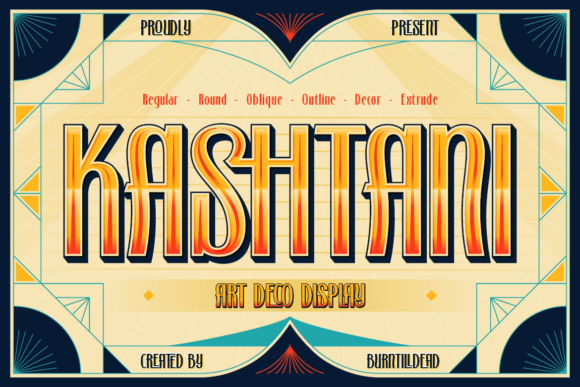
Running a small business is all about making the right impression. I recently found myself in that familiar situation—preparing new packaging for my boutique’s latest product line. The previous design felt a bit flat, and I wanted something that screamed personality while still feeling professional. That’s when I discovered Kashtani, an Art Deco display font with vintage glam and a modern twist. It was love at first sight.
Using Kashtani Fonts to Elevate Product Packaging
I’m not a designer by trade, but I know what looks good and feels authentic. When I saw Kashtani, it instantly reminded me of the roaring 1920s, the era of elegance and boldness. This display font has a certain charm that makes it perfect for product labels, especially if your brand leans into retro or luxury aesthetics. I used it on our new candle jars, and the result was stunning. It added just the right amount of sophistication without overwhelming the minimalist label background.
If you’re selling handmade goods, skincare products, or anything that benefits from a touch of old-world class, consider how Kashtani can make your packaging stand out. It works beautifully for titles and headings, drawing attention while maintaining readability. Just be sure to check the included styles and file formats before finalizing your print runs. You’ll want to ensure the font supports your language and comes in a format compatible with your design software.
Creating Polished Menus and Café Signage with Kashtani Display Font
A few months ago, a local café owner friend asked for help updating their menu board. They were looking for something eye-catching yet cohesive with their overall brand. We tried several fonts, but none had the same visual impact as Kashtani. Its geometric shapes and ornate details gave the menu a sense of timeless appeal. Now, every time they post a new seasonal offering online, the font helps their message pop.
For businesses like cafés, bakeries, or even food trucks, using Kashtani in logo design or menu headers can transform your look. It’s especially effective for headlines where you want to blend creativity with clarity. Since this is a display font, it shines in larger sizes, so I recommend reserving it for main titles and using a clean sans serif for body text. This combination keeps things legible and stylish, which is key for customer-friendly branding.
Why Choose Kashtani for Social Media Graphics?
Social media is where many small businesses start building their brand identity. My own Instagram feed needed a refresh, and I decided to test Kashtani for some promotional posts. The difference was immediate. The font’s bold structure and vintage flair helped my posts feel more intentional and memorable. Whether I was creating a post about a new launch or sharing behind-the-scenes content, Kashtani brought a consistent, polished feel across all visuals.
It’s important to note that Kashtani isn’t ideal for long paragraphs. But for short phrases, quotes, or taglines, it’s perfect. Think about how it could enhance your next digital ad or website banner. A well-chosen font can elevate your message and increase engagement, especially when paired with high-quality images and a clear color palette.
Kashtani for Business Cards and Thank-You Notes
You might be surprised how much typography matters on a simple business card. Mine hadn’t changed in years, and I wanted something that reflected the evolution of my brand. After experimenting with different typefaces, I settled on Kashtani for the name and title fields. The result? A design that felt both classic and contemporary. Clients now comment on how professional and distinctive my card looks.
Thank-you notes are another area where Kashtani adds value. For handwritten-style thank-yous, maybe pair it with a script or elegant serif font for a layered effect. But if you're printing them in-house, the font’s crisp edges and decorative elements still work well—just keep the text size generous for easy reading.
Building a Consistent Brand Identity with Kashtani
Consistency is one of those subtle things that customers notice over time. When I started using Kashtani across multiple materials—product labels, social media posts, and printed flyers—I began to see a stronger brand presence emerge. The font became a signature element that tied everything together. From bakery boxes to sticker designs, it created a unified look that people could recognize and trust.
If you're trying to build a more cohesive brand identity, think about how a single font can act as your visual anchor. Kashtani is versatile enough to work across different platforms but specific enough to give your brand a unique voice. Before committing, review the font’s multilingual support and commercial licensing terms. These details matter, especially if you plan to use it for client work or digital downloads.
Font Pairing Tips: How to Make Kashtani Work with Other Typefaces
One challenge I faced early on was figuring out how to pair Kashtani with other fonts. As a display typeface, it needs balance. I ended up pairing it with a sleek sans serif for subheadings and body copy. This contrast made the layout feel intentional and modern, while still honoring the vintage inspiration of Kashtani.
Here are a few practical font pairing ideas:
- Kashtani + Clean Sans Serif (for editorial design and readability)
- Kashtani + Elegant Serif (for a refined, balanced aesthetic)
- Kashtani + Script Font (for a dramatic, artistic touch)
Each combination brings something special. Experiment with spacing and hierarchy to find the best fit for your brand’s voice. Remember, the goal is to highlight the Kashtani style without letting it clash with supporting text.
Designing with Kashtani for Online Shop Banners and Merchandise
My online shop needed a facelift, and I knew the banners were the first thing customers would see. Using Kashtani there was a game-changer. It made the headlines feel bold and inviting, encouraging users to explore further. For merchandise like stickers or tote bags, I used the font sparingly but effectively. A short phrase in Kashtani stood out far more than generic alternatives ever did.
When working with Fonts like Kashtani for web design, always test how it appears on mobile screens. Display fonts can lose their charm if not sized correctly. Also, take advantage of any alternates or ligatures included—they can add a nice touch of uniqueness without complicating your design.
How Typography Impacts First Impressions and Brand Perception
There’s something about the way a headline is styled that can either invite curiosity or cause a scroll past. I learned this firsthand when redesigning our website banners. Switching to Kashtani made our offers feel more premium and trustworthy. Even though the message stayed the same, the tone shifted subtly—thanks to the font choice.
Typography affects mood, readability, and perception. A font like Kashtani conveys confidence and creativity, making it great for brands in creative niches such as fashion, beauty, or artisanal products. But it’s also useful for editorial design or event-based marketing, where vintage-inspired typography can set the scene and evoke emotion.
Realistic Use Cases for Kashtani in Everyday Branding
Let’s talk real-life examples. Here are a few ways Kashtani can be used practically:
- Bakery box labels: Highlight names or taglines with bold, vintage flair.
- Skincare bottle titles: Add a touch of elegance to natural or luxury brands.
- Candle jar graphics: Use it for scent names or short descriptions.
- Boutique price tags: Pair with a minimalist sans serif for a balanced look.
- Café signage: Stand out from competitors with a custom menu header.
In each case, the font elevates the visual experience without being too flashy. It’s a perfect middle ground between playful and professional, which is exactly what small businesses need to stay memorable without losing credibility.
Checking Licensing and File Formats Before Launching with Kashtani
Before I finalized our new branding assets, I made sure to check the Kashtani font’s commercial license. It’s essential for anyone planning to use a font for logos, packaging, or client projects. Some fonts restrict usage for print or digital, so confirming compatibility with your intended use is key to avoiding legal issues later.
Also, don’t overlook the file formats provided. If you're designing for print, look for OpenType or TTF files. For digital assets, WOFF or EOT might be better. And remember to check if the font includes multilingual characters or stylistic alternates—these features can save you time and money in the long run.
Final Thoughts on Choosing Kashtani for Your Small Business
Choosing the right Display Fonts can feel daunting, but once you find one that fits your brand’s personality, it becomes an invaluable tool. Kashtani has done just that for me. It transformed everyday design tasks into opportunities for creativity and consistency. From packaging updates to social media templates, it’s helped my brand feel more confident and cohesive.
So if you're thinking about upgrading your design assets, give Kashtani a try. Let it bring a little vintage glam into your modern branding. You might just find, like I did, that a thoughtful font choice can change the way your audience sees your business—for the better.