Concertina Font: Quirky Elegance for Creative Designers
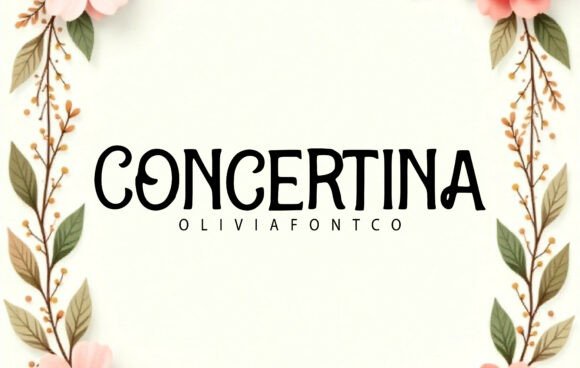
I recently had the chance to test Concertina, a quirky and charming display font, on a variety of handmade product designs and shop materials. As someone who spends a lot of time working with display fonts to elevate brand identity and visual appeal, I was immediately drawn to its soft curves, slightly irregular strokes, and whimsical personality. This typeface isn’t just another decorative option — it’s a unique blend of playful and elegant that really shines in the right context.
Concertina for Farmhouse Signs and Seasonal Decor
One of my first experiments with Concertina was designing a set of farmhouse-style holiday signs for a local boutique. The font’s charm added just the right amount of warmth and character without feeling cluttered or overly ornate. Its irregularities gave each letter a handcrafted feel, which is perfect for rustic themes and seasonal displays. When paired with a clean sans serif font for secondary text, like dates or addresses, Concertina stood out beautifully as the main headline. It brought a cozy, artisanal vibe that customers instantly connected with.
I did run into one small issue when using it for smaller details. Because it’s a display font, some of the subtleties get lost at tiny sizes. For example, the intricate serifs on certain characters didn’t show up clearly on mini holiday tags. So I recommend saving Concertina for bold titles and avoiding it for dense paragraphs or very fine print.
Concertina in Greeting Cards and Invitation Mockups
I’ve always believed that the right typeface can turn a simple greeting card into something truly special. That’s exactly what happened when I used Concertina on a batch of birthday cards. The font’s elegance paired well with watercolor illustrations, while its quirks made the message feel more personal and heartfelt. It wasn’t too script-like to be hard to read, but still had enough flair to stand out from generic options.
For wedding invitations, Concertina performed impressively. I created a mockup for a couple looking for something whimsical yet refined. The soft curves complemented floral borders and gold foil accents perfectly. What I loved most was how the slightly irregular strokes gave the design a sense of movement and life — something you don’t always find in traditional display fonts. Just keep in mind that it’s best suited for short phrases and names rather than long blocks of text.
Concertina for Boutique Packaging and Branding
Another use case where Concertina truly came alive was in boutique packaging design. I was helping a small business owner rebrand their candle line, and we needed a label that felt both inviting and upscale. Concertina added that perfect balance between fun and sophistication. The labels looked fresh on kraft paper jars and also held up well in digital previews for shop listings.
The font’s whimsical personality helped create a cohesive brand identity across multiple products. We used it for the main name on the jar, and then incorporated lighter versions of the same typeface into gift tags and social media graphics. It gave the whole collection a unified look while keeping things visually engaging. One thing I checked before finalizing was the commercial font licensing — good to know this font allows for physical product sales and digital downloads!
Concertina in Digital Printables and Wall Art
When it comes to creating digital printables, especially for planners or wall art, Concertina brings a level of creative energy that’s hard to match. I designed a set of printable wall art templates featuring motivational quotes and found that the font’s playful nature made the pieces feel more approachable and less formal. It worked particularly well with vintage textures and muted color palettes, enhancing the overall mood of the design.
I also tried it for planner pages with a botanical theme. The irregular strokes played nicely with hand-drawn elements, and the soft curves made the layout feel more organic. But again, because it’s a display font, I avoided using it for body text or any sections that required high readability at a glance. Instead, I reserved it for titles and decorative headings, where it truly shone.
Concertina on Merchandise: Tote Bags and Mugs
I wanted to see how Concertina would handle being printed on merchandise like tote bags and mugs. The results were delightful. On a large-scale tote bag design, the font’s elegance was front and center, and the slight imperfections in stroke weight gave the text a hand-lettered charm. Customers would definitely pick up a bag with this kind of wording and take notice.
On mugs, I found that shorter phrases (like “Happy Holidays” or “Welcome Home”) worked best. The font scaled well to fit within tight spaces, and the soft edges prevented it from looking too rigid. However, if you're printing technical instructions or detailed descriptions on merchandise, stick with a more readable typeface. Concertina is ideal for expressive, emotional content rather than functional information.
Concertina and Cutting Machines: Readability Tips
If you’re planning to use Concertina with Cricut or Silhouette cutting machines, there are a few practical tips to consider. I tested it on sticker sheets and found that the font works best for larger stickers where the detail can breathe. Smaller cuts, like those under 1/8 inch, tended to lose clarity due to the font’s delicate features.
- Size matters: Stick to 16pt or higher for clear cuts.
- Contrast is key: Use dark colors against light backgrounds for better visibility.
- Test your blade: A finer blade may help preserve the subtle details of Concertina.
Despite these limitations, I was impressed by how cleanly the letters cut when given enough space. The irregularity in stroke weight actually helped differentiate letters like "A" and "B," making them easier to trace accurately. Just remember that this is a display font, so it’s not going to work for every project — but when it does, it adds real value.
Concertina and Font Pairing Ideas
To make the most of Concertina, I experimented with several font pairings. Here’s what worked well:
- Pair with a clean sans serif: Think something modern like Montserrat or Lato for a balanced contrast.
- Complement with a script font: If you want to add even more elegance, try pairing it with a soft script like Alex Brush or Great Vibes.
- Use alongside bold display fonts: For high-impact designs, a bolder display typeface like Bebas Neue or Bungee can create a dynamic layout.
In all cases, Concertina maintained its charm while allowing other fonts to play supporting roles. It’s versatile enough to adapt to different styles, which makes it a great addition to any designer’s toolkit of display fonts.
What to Avoid When Using Concertina
While Concertina is a standout in many areas, it’s important to understand where it might fall short. Since it’s a decorative display font, it’s not ideal for:
- Very small text, such as footnotes or tiny product labels.
- Long paragraphs or instructional copy where legibility is critical.
- Digital interfaces that require quick scanning, like app menus or web forms.
Stick to using it for short phrases, names, logos, and headlines. That way, you’ll highlight its strengths and avoid situations where its style might hinder usability.
Concertina for Product Listings and Shop Branding
One of the most exciting parts of testing Concertina was seeing how it enhanced product listing images and shop branding. In an Etsy shop preview, the font made the title of a custom candle line pop in a way that felt both professional and personable. It helped establish a distinct brand voice that resonated with potential buyers.
I also used it in a sample shop banner and logo design. The combination of whimsy and structure allowed the brand to feel friendly but trustworthy. And since it’s a premium font, it contributed to a more polished overall presentation — a subtle signal to customers that quality is a priority.
Final Thoughts on Concertina as a Display Font
After spending time with Concertina, I’m confident it has a place in any creative maker’s design library. Whether you’re crafting invitations, building shop branding, or designing digital printables, this quirky and charming display font brings a touch of personality without overwhelming the page. It’s a go-to for when you need something that feels hand-crafted but still looks professional.
Before using it for commercial projects, I always recommend checking the included styles, alternates, ligatures, and file formats to ensure it fits your needs. Also, confirm whether it supports the languages you'll be using, especially if you plan to sell internationally. With these considerations in mind, Concertina can become a powerful asset in your Fonts collection.